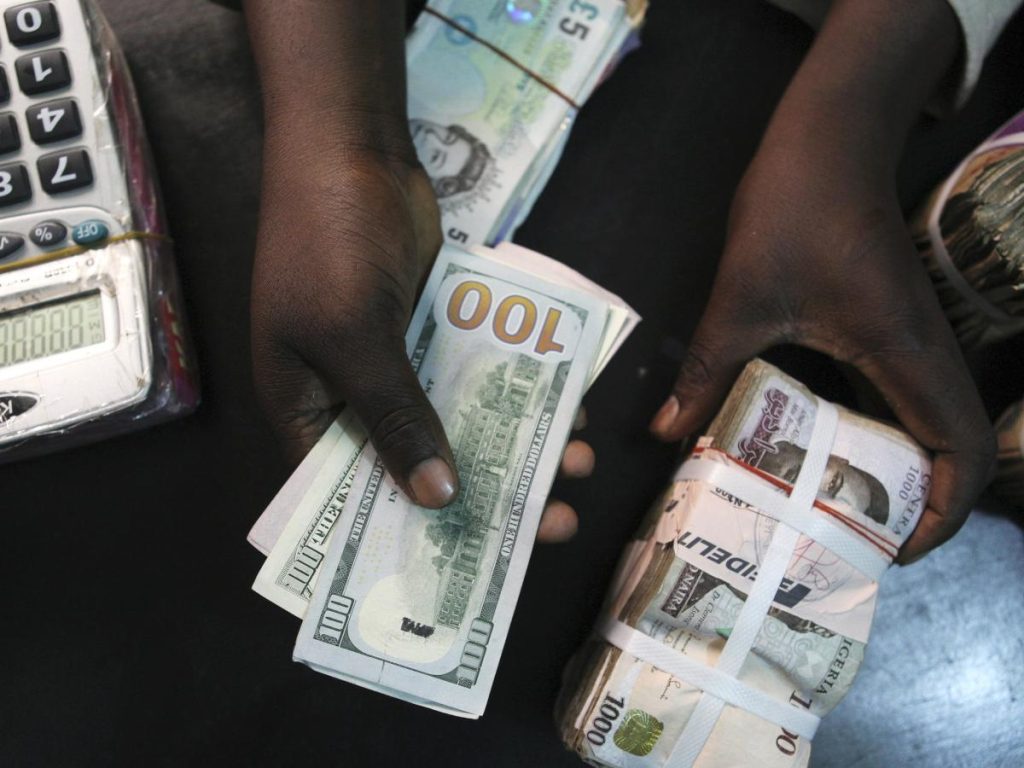

Nigeria’s external reserves lost $855 million within five weeks, according to Central Bank of Nigeria data.
The reserves fell from $49.18 billion on April 1 to $48.33 billion on May 7, 2026.

External Reserves Decline Deepens
As demand for dollars increased, pressure mounted across Nigeria’s foreign exchange market.
On April 2, reserves stood at $49.133 billion but later dropped to $48.940 billion by April 7.
By April 15, the reserves fell further to $48.675 billion as market pressures intensified steadily.
Afterwards, the reserves declined again to $48.541 billion on April 20 before weakening towards month-end.
By April 30, reserves reached $48.364 billion and later settled at $48.325 billion on May 7.
Year-On-Year Improvement
Overall, Nigeria lost 1.74 per cent of its external reserves within the 36-day review period.
Read Also: Naira Rises To ₦1,362/$, Continues Gains Against US Dollar
However, reserve levels remained stronger than figures recorded during the same period last year.
In April 2025, Nigeria held $38.173 billion in reserves before the figure dropped to $37.933 billion.
The stronger reserve position followed foreign exchange reforms under President Bola Ahmed Tinubu’s administration.
In addition, analysts linked reserve improvements to stronger oil earnings and increased foreign investments.
They also credited tighter monetary policies and lower import demand for supporting reserve growth.
CBN Maintains Outlook
Meanwhile, the Central Bank of Nigeria has not explained the latest decline in reserves officially.
Despite recent losses, the apex bank still expects reserves to reach $51 billion before end-2026.