

Nigeria’s businesses are facing rising costs as unstable power disrupts operations and cuts profitability nationwide.
According to AfDB’s African Economic Outlook 2026, outages reduce firms’ annual sales by about 3%.
This recurring loss drags thousands of firms and weakens overall national productivity.
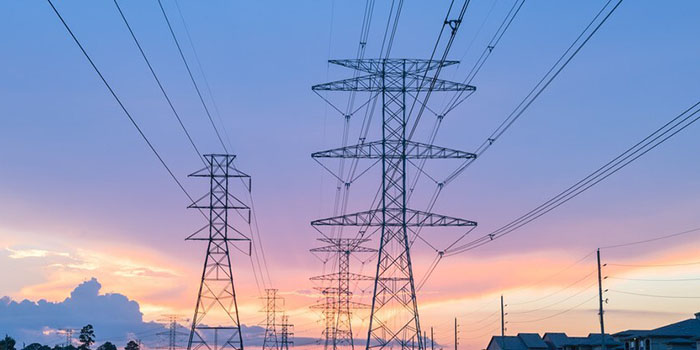
Power Outage Impact
As a result, companies increasingly rely on generators because public electricity supply remains unreliable.
About 70.7% of Nigerian firms now own or share generators to maintain daily operations.
Nigeria ranks among Africa’s highest generator users, surpassing South Africa and Tanzania.
Consequently, businesses now fund electricity privately instead of depending on public infrastructure services.
They pay for fuel, maintenance, and equipment, which sharply increases operating costs.
In response, AfDB describes these costs as “parallel levies” that act like invisible taxes on profits.
Business Cost Burden
Therefore, these levies reduce disposable income, weaken competitiveness, and push some firms into informality.
Similarly, firms also spend more on water, security, and logistics to sustain operations.
Read Also: Obi Outlines Plan To Raise Power Supply By 10,000MW In Four Years
Across Africa, Nigerian firms lose 3% of sales, while Mali and Chad lose 10%.
Infrastructure Gaps
Thus, AfDB links these losses to weak infrastructure that forces costly self-provision.
As a result, inefficiencies raise costs and restrict expansion opportunities for growing companies.
However, better infrastructure can reduce costs and improve productivity across key sectors.
For example, improved electricity, water, health, and education services can strengthen public trust.
In turn, reduced self-provision can boost profitability, tax compliance, and long-term stability.
Nigeria recorded improved business conditions in 2025 as consumer demand strengthened.
However, AfDB warns that energy and logistics constraints could still slow economic progress.
Meanwhile, Nigeria cancelled $717.7 million World Bank power sector funding in March 2026.
The government made this decision after requesting a halt to the reform programme.
Ultimately, persistent power shortages and subsidy pressures continue to strain the electricity sector.
As a result, businesses still depend on costly self-generation to sustain daily operations nationwide.