
Peter Obi actively pledged major reforms to Nigeria’s power sector if elected president in 2027.
He announced this on Saturday, May 30, 2026, in Abuja at the NDC convention.
He formally accepted the party’s presidential nomination and presented his national development agenda.
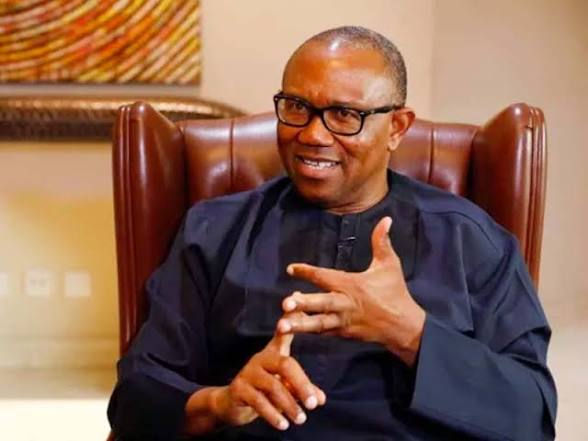 First, Obi promised to increase electricity generation and distribution by at least 10,000 megawatts within four years.
This plan would raise current output from about 4,000MW, delivering a 250% expansion.
Power Sector Reform
Next, he argued that persistent power shortages weaken businesses and slow national economic growth across Nigeria.
He also stressed that millions still lack reliable electricity access nationwide.
Furthermore, he compared Nigeria with South Africa and Egypt, noting both generate over 40,000MW despite smaller populations.
In addition, he insisted Nigeria must urgently close its widening infrastructure and productivity gaps across key sectors.
National Development Plan
Obi also unveiled reforms for healthcare, education, agriculture, security and governance nationwide.
He named Senator Rabiu Kwankwaso as his running mate during the event.
In healthcare, he pledged to raise insurance coverage above 20% from about 10% currently.
He also committed to increasing health spending to 10% of GDP.
Read Also: Nigeria Cuts Fiscal Deficit To ₦330Bn In Q3 2025
Moreover, he promised that every ward would receive functional primary healthcare centres across 8,809 wards.
Security And Economy
On security, he warned Nigeria has worsened globally, now ranking fourth in terrorism levels.
He proposed intelligence-led policing and strengthened it with technology and community participation nationwide.
He linked insecurity directly to poverty, unemployment and rising social inequality across communities.
In education, he emphasised investment in teachers, infrastructure and vocational training nationwide.
He warned that over 35 million Nigerians face acute food insecurity today.
Therefore, he urged Nigeria to shift from consumption to production through agriculture-led growth.
He also proposed SME support through tax relief and affordable financing options.
Finally, he pledged to reduce governance costs and strengthen transparency in public spending.
Nigeria’s power sector still struggles with ageing infrastructure and frequent grid collapses nationwide.