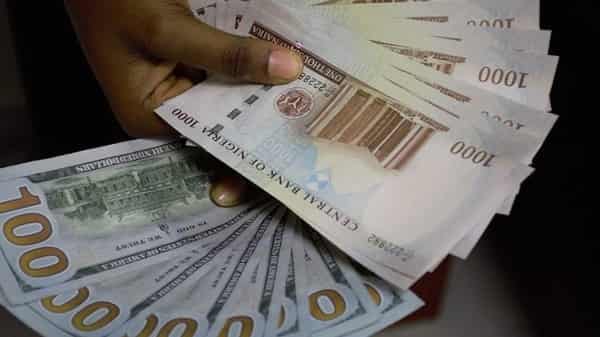

On Tuesday, the naira strengthened to ₦1,362 against the US dollar, extending recent gains.
Meanwhile, a day earlier, it traded at ₦1,367.5/$, according to Central Bank of Nigeria data.
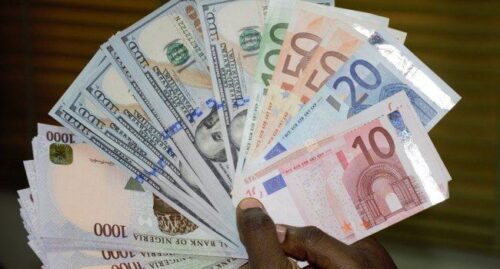
Naira Extends Gains
The move reflects improving demand and supply conditions in Nigeria’s official foreign exchange market.
As a result, traders observed a narrower range and signalled increased stability during the session.
It traded between ₦1,362/$ and ₦1,370.5/$, averaging ₦1,366.27/$ during the day.
Earlier, on Monday, it ranged from ₦1,362/$ to ₦1,374.5/$, averaging ₦1,365.89/$.
A week earlier, the naira closed Tuesday at ₦1,383/$, weaker than ₦1,369/$.
Now, the current rate shows gradual recovery compared to recent trading levels in the market.
Global Trends Support Naira
Read Also: Lagos Hotel Pipeline 2026 Led By Victoria Island – Report
Globally, trends supported the naira as the US dollar weakened against major currencies.
Consequently, the dollar index fell to 98.299 and reflected softer demand.
The euro rose to $1.1714, while the British pound traded higher at $1.35685.
Similarly, other currencies gained, although the Japanese yen remained weak at 157.62 per dollar.
At the same time, oil prices declined after progress in talks involving the United States and Iran.
As a result, US crude dropped by over $2 and traded near $100 per barrel.
Reserves Signal Caution
However, Nigeria’s external reserves declined to $48.36 billion as of April 30.
In addition, reserves fell by about $731 million in April and showed ongoing pressures.
Looking ahead, the Central Bank expects reserves could reach $51 billion by 2026.
For now, the naira’s gains offer relief, but declining reserves still pose risks.