

On the morning of October 1st, 1960, the streets of Lagos erupted with joy as Nigeria’s green and white flag was hoisted for the first time.
Hope was in the air. Parents whispered to their children that a new dawn had come.
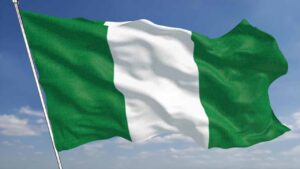
This is a dawn where prosperity and freedom would go hand in hand.
Sixty-five years later, that same child, now a grandparent, looks around and asks: “Why are we still struggling to survive in our own land?”
Despite being Africa’s largest economy, Nigeria continues to wrestle with issues that keep millions of its citizens barely making ends meet.
From rising food prices to inadequate wages, here are key reasons the promise of independence still feels unfulfilled for many:
1. Economic Instability
Nigeria’s economy has long been heavily dependent on crude oil.
Also, Global price fluctuations, coupled with weak diversification into other sectors, leave citizens vulnerable.
Inflation continues to erode purchasing power, with everyday essentials becoming luxuries for the average family.
2. High Unemployment and Underemployment
Millions of Nigerians, especially youths, remain jobless.
Even those employed often earn below the living wage, creating a cycle of poverty where hard work does not guarantee survival.
3. Corruption and Mismanagement
Over the decades, corruption has eaten deep into the fabric of governance.
Mismanagement of public funds and failed policies have slowed down development, leaving citizens to bear the brunt.
4. Poor Infrastructure and Services
Electricity shortages, bad roads, lack of clean water, and limited access to quality healthcare mean Nigerians spend extra from their pockets to cover what the government should provide.
Also, this makes survival costlier than it should be.
5. Rising Cost of Living
The cost of food, fuel, rent, and education continues to rise without a corresponding increase in earnings.
People Also Read: How To Save Money In Nigeria’s Economy (Without Losing Your Mind)
For many, making ends meet has become a daily battle of survival.