

Every morning, Lekki families check their borehole water, which often looks brown, smells foul, and proves unsafe.
Residents use boreholes mainly for flushing toilets and rely on bottled water, tankers, or household treatment units for drinking, cooking, and bathing.
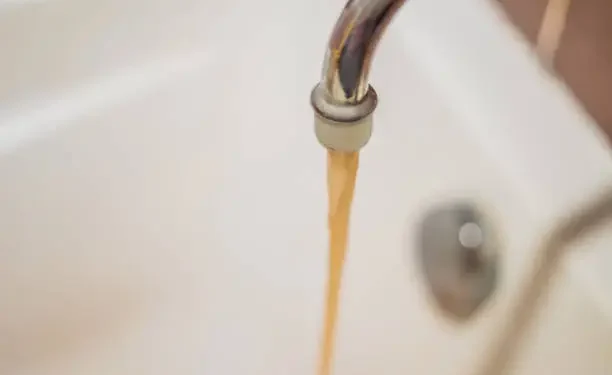
Lekki Borehole Water For Basics
Kayode Opeyemi in Ajah says his office borehole “remains brown even after treatment.”
At home, his family buys a 2,000-litre tanker costing ₦3,500–₦5,000, lasting four to six weeks.
Residents plan storage carefully, maintain filters, and absorb rising costs daily.
Costs And Consequences
High-end estates install reverse osmosis systems, allowing safe use of water for laundry and cooking.
Frequent filter replacements and service fees add financial burden.
Read Also: Eko Atlantic Tops Lagos Luxury Market With 59.5%
Lekki’s soft soil and high water table make groundwater vulnerable to contamination.
Experts warn that overusing boreholes increases the risk of land subsidence, threatening buildings and estates.
Dr Doyin Odubanjo says many boreholes contain microbial and chemical contaminants.
He stresses that centralised water treatment is the only safe, long-term solution.
Solutions And Risks
Many estates rely on private boreholes due to limited central water supply.
Population growth and expansion have outpaced capacity.
The Lagos State Government plans to expand supply through Adiyan Phase II and Iju Waterworks.
Five mini and micro waterworks undergo refurbishment.
Subsidies may help low-income households.
Researcher Tonami Playman stresses Lagos must build pipelines and sewer systems to deliver water effectively.
Otherwise, reliance on private boreholes increases land subsidence risks.
Residents face daily uncertainty, balancing cost, safety, and convenience in Lekki’s water crisis.