

The day began quietly in Nigeria’s foreign exchange market, and soon pressure on the naira emerged.
On Wednesday, the currency weakened to ₦1,391 against the dollar, down from ₦1,383.5/$ a day earlier, according to the Central Bank of Nigeria.
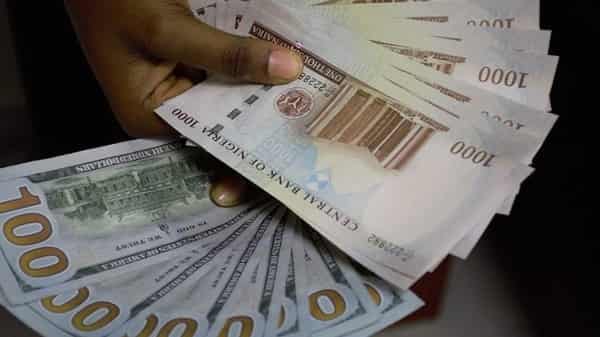
Early Naira Pressure Emerges
Although the drop looked small, it reflected broader global pressures affecting emerging market currencies.
Meanwhile, the U.S. dollar strengthened as investors reacted to inflation fears and geopolitical tensions.
Dollar Strength Builds
At the same time, uncertainty linked to Iran pushed investors towards safer assets, boosting demand for the dollar.
As a result, this shift increased pressure on the naira and similar currencies.
During trading, the naira moved within a narrow range, signalling cautious activity.
Specifically, it traded between ₦1,376/$ and ₦1,391.5/$, with an average rate of ₦1,387.22/$.
Liquidity And Reserves Dip
However, market activity slowed during the session, showing reduced liquidity in the system.
Read Also: Zenith Bank Shares Jump 77% Amid Strong Trading Results
Interbank turnover fell to $55.7 million from $83.4 million the previous day.
Likewise, the number of deals dropped from 88 to 64 within one session.
Consequently, lower activity increased volatility and made exchange rates more sensitive to external shocks.
In addition, Nigeria’s external reserves edged lower, showing continued pressure on the country’s buffers.
Reserves declined slightly to $49.57 billion on 24 March 2026.
Globally, the dollar gained support from rising inflation expectations in the United States.
Notably, U.S. import prices recorded their biggest increase in nearly four years in February.
Therefore, this trend strengthened expectations of tighter monetary policy, which supports a stronger dollar.
Furthermore, geopolitical tensions, especially around the Strait of Hormuz, kept markets cautious.
While U.S. President Donald Trump signalled progress, mixed messages sustained uncertainty.
Earlier, newsmen reported a slight weakening on Tuesday.
Overall, the naira remains under pressure as global trends continue to favour the dollar.