

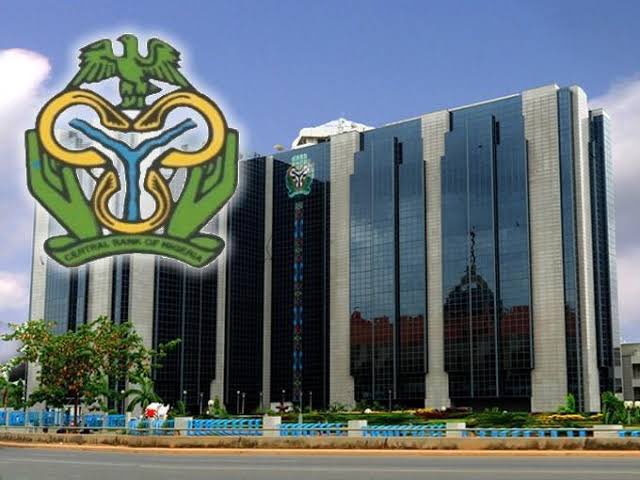
In the halls of the CBN (Central Bank of Nigeria), officials delivered a clear message of reform.
They announced a medium-term inflation target of 6–9% while adopting a full inflation-targeting framework.
However, they warned that global shocks could still threaten Nigeria’s economic progress and policy objectives.
CBN Sets Inflation Target
The announcement followed a strategic meeting with the Nigerian Economic Society and academics on March 18, 2026.
During the meeting, Deputy Governor for Economic Policy, Dr Muhammad Sani Abdullahi, emphasised transparency and accountability.
He explained, “Nigeria is firmly on track to achieve low and stable inflation in coming years.”
The medium-term goal aims for single-digit 6–9% inflation, provided major external shocks do not occur.
Achieving this requires policymakers to maintain discipline, anchor expectations, and uphold a framework trusted by markets.
Moreover, Abdullahi highlighted that inflation targeting helps stabilise expectations, reduce risk premia, and encourage long-term investment.
He added that external pressures remain significant, including global geopolitical tensions and volatile energy prices.
Policy Reforms In Action
Importantly, recent policies have already produced results, with headline inflation falling sharply from 34.8% to 15.1%.
This disinflation trend reflects consistent monetary tightening, disciplined policy, and structural reforms within the Central Bank itself.
Read Also: Fuel Price Surge in Nigeria: PMS Hits ₦1,400, Worsening Cost of Living Crisis
Furthermore, the bank returned to orthodox monetary tools and withdrew from quasi-fiscal interventions to improve credibility.
They also introduced major foreign exchange reforms, including rate unification and electronic platforms, improving price discovery and reducing volatility.
Additionally, bank recapitalisation, stricter prudential oversight, and closer fiscal coordination reinforced financial system stability.
Dr Victor Oboh stressed that policymakers cannot rely on technical frameworks alone without public trust and clear communication.
He pointed out that academics and researchers play a vital role in shaping expectations and supporting evidence-based decisions.
Confidence and Collaboration
NES President, Dr Baba Yusuf Musa, praised the reforms as bold, necessary, and promising for long-term economic stability.
He added, “Nigeria needs a credible Central Bank worth supporting,” pledging continued collaboration and expert engagement.
By the meeting’s end, participants left cautiously optimistic, encouraged by the bank’s transparency, reforms, and commitment to inflation control.
Consequently, the Central Bank signals a new era where inflation becomes predictable, markets gain confidence, and Nigeria better withstands shocks.