

Afreximbank took a decisive step that caught the attention of global credit markets.
On Friday, the Pan-African lender ended its credit rating relationship with Fitch Ratings.
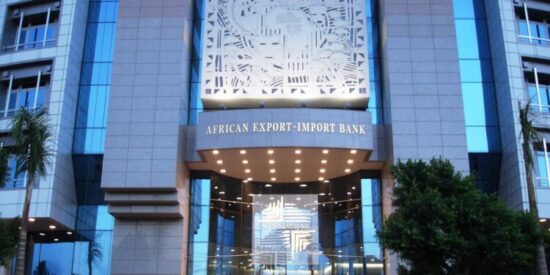
Afreximbank Break With Fitch
The decision followed months of growing disagreement over credit risk assessment.
According to the bank, Fitch’s framework no longer reflected its legal status or development mandate.
As a result, Afreximbank argued that Fitch judged it like a commercial lender.
Dispute Over Risk
Tensions peaked in June 2025 after Fitch downgraded Afreximbank’s long-term rating to BBB-.
At the same time, Fitch attached a negative outlook to the rating.
The agency cited rising exposure to sovereign borrowers across Africa.
Specifically, Fitch highlighted loans linked to Ghana, South Sudan and Zambia.
It warned that debt restructuring risks could weaken the bank’s credit profile.
In addition, Fitch raised concerns about asset quality and financial transparency.
Fitch estimated non-performing loans at 7.1%.
By contrast, Afreximbank reported a lower figure of 2.3%.
Market Impact
In response, the bank rejected Fitch’s assessment.
It denied any involvement in sovereign debt restructurings.
Read Also: NAFDAC Starts Enforcing Ban On Sachet Alcohol
Furthermore, Afreximbank said its treaty protects its preferred creditor status.
The bank also defended its financial reporting standards.
It stated that its accounts comply with IFRS 9 and undergo external audits.
Meanwhile, market sources said the downgrade increased Afreximbank’s borrowing costs.
Consequently, higher interest rates made access to affordable funding more difficult.
At the time of publication, Fitch had not issued a public comment.
More broadly, the dispute reflects growing frustration among African financial institutions.
Many argue that global rating models ignore African economic realities.
In June 2025, Afreximbank economist Dr Yemi Kale criticised one-size-fits-all rating approaches.
He argued that flawed models raise borrowing costs despite improving conditions.
As momentum builds, African-led alternatives have gained support.
Notably, the African Union-backed AfCRA plans to issue ratings from late 2025 or early 2026.
Unusually, Afreximbank made its decision public.
In most cases, issuers avoid terminating rating relationships after downgrades.
Even more rarely, they do so openly.
Despite the split, investors still reference Fitch’s downgrade when pricing bonds.
Now, Moody’s and S&P carry greater influence.
As a result, markets will scrutinise their assessments more closely.
Overall, Afreximbank remains financially sound and strategically important.
However, global markets increasingly treat African multilateral lenders like commercial banks.
Ultimately, that shift leaves less room for error.