

Dollar weakness is shaking global markets, and it is spilling over to Nigeria’s naira and local currency trading.
Meanwhile, the naira faces mounting pressure, as official and parallel market rates move in opposite directions.
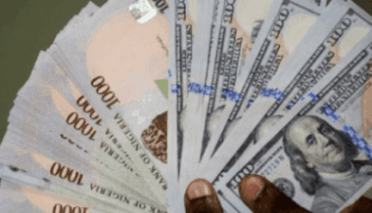
Dollar Turbulence Hits Markets
On Thursday, the official market pushed the naira up slightly, rising from ₦1,423 to ₦1,421.5 per dollar.
However, in the parallel market, traders drove the naira down to ₦1,490 from ₦1,486 per dollar the previous day.
Consequently, the gap between official and parallel rates widened to ₦68.5 per dollar, increasing steadily.
Domestic Challenges Intensify
A Lagos currency expert, Dayo Omole, explained that supply limits constrain naira strength in parallel markets.
Read Also: Naira Gap Widens As Parallel Market Hits ₦1,486/$
Moreover, he noted that street market rates can move independently of the dollar’s global value and trends.
Domestically, the CBN continues managing foreign currency shortages, yet the naira still faces persistent challenges.
Nigeria’s external reserves of $45.9 billion offer some buffer for controlling local currency instability.
Global Forces Shape The Naira
Globally, investors are reacting to a U.S. dollar on track for its worst week since June, reports Bloomberg.
The Bloomberg Dollar Spot Index fell to a three-week low on Friday, dropping 0.8% this week.
As a result, options traders now pay more to hedge against further dollar losses in the next month.
Earlier this week, the dollar gained after Trump withdrew threats of tariffs on European NATO countries.
Therefore, the widening gap highlights the limits of official interventions amid domestic and global pressures.
Furthermore, the IMF upgraded Nigeria’s 2026 growth forecast to 4.4%, up from 4.2%, boosting optimism.
Consequently, traders and investors monitor both international developments and central bank actions closely.
For now, the naira’s value depends on global dollar trends and Nigeria’s ability to supply foreign currency.