

On Monday, workers closed the gates of the Federal Capital Territory Administration (FCTA) in Abuja. Staff under the Joint Union Action Congress (JUAC) launched an indefinite strike.
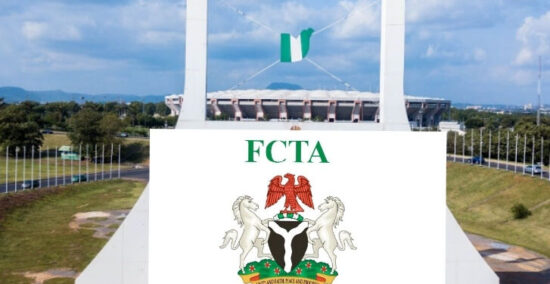
FCTA Begins Strike
The workers said the protest responded to long-standing welfare concerns.
In fact, many described it as a fight for dignity, not just pay.
Unresolved Grievances
Moreover, JUAC president Rifkatu Iortyer told journalists that the issues ran deep.
Staff had not received salaries, and the administration failed to remit pension and National Housing Fund deductions.
Additionally, promotion arrears continued to affect employees.
She also highlighted poor working conditions, limited training opportunities, and frequent staff intimidation.
Read Also: NiMet Alerts: Dust Haze, Storms Expected Across Nigeria
Furthermore, centralised salary processing delayed payments, and some boards and secretariats did not pay their staff at all.
The mass failure of the 2024 promotion examination worsened staff frustration.
Iortyer emphasised that these problems had persisted for years, causing hardship to employees who dedicated their careers to public service.
Call For Action
Previously, JUAC had staged a similar protest in June 2025, yet the administration ignored many concerns.
Therefore, the union vowed to continue the strike until it holds meaningful talks.
Strikes have become a recurring issue in the FCTA.
For instance, resident doctors and primary school teachers protested over unpaid salaries and stalled promotions, and authorities addressed these complaints only partially.
Ultimately, Monday’s strike reflects persistent neglect.
Workers hope the protest will compel the administration to act.
For Abuja’s public servants, this strike represents more than a protest—it is a call for respect, justice, and urgent reform.