

Nigeria is steadily reclaiming its place in the global palm oil market, producing 1.57 million tonnes in 2025.
This growth builds on 1.28 million tonnes in 2020, and it has sparked renewed international interest.
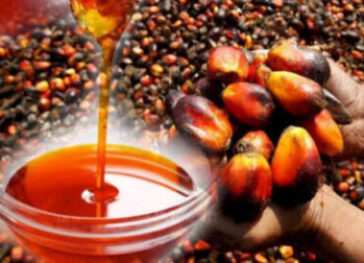
Nigeria’s Palm Oil Comeback
Recently, the Council of Palm Oil Producing Countries (CPOPC) visited Abuja to strengthen technical and policy collaboration with Nigeria.
During the visit, the council pledged to support smallholder farmers, modernise production, and streamline Nigeria’s fragmented supply chains.
Meanwhile, domestic consumption has climbed to 2.61 million tonnes, creating a persistent supply gap that imports currently fill.
Consequently, Nigeria spends $600 million annually importing palm oil, even though the country possesses abundant resources and historical expertise.
Smallholders And Technology
CPOPC Secretary-General Izzana Salleh emphasised that oil palm originates in West Africa and that Nigeria once led the global market.
She added that producing nations must coordinate to protect farmers, improve food security, and promote sustainable development.
Read Also: NAFDAC Cracks Down On ₦100M Expired Food In Niger Warehouses
Furthermore, NPPAN President, Dr Alphonsus Inyang, highlighted that full CPOPC membership could provide Nigeria with advanced technologies and training programmes.
Currently, smallholder farmers supply over 80% of Nigeria’s palm oil, but outdated methods limit yields and slow growth.
By adopting hybrid planting materials and technical support, farmers could boost productivity across the national value chain.
Reclaiming Global Leadership
Moreover, stronger collaboration with CPOPC could help Nigeria narrow its supply gap and strengthen competitiveness in the sector.
Although Southeast Asian countries now dominate production, Nigeria is leveraging its history and natural resources to reclaim leadership.
Ultimately, modern farming, empowered smallholders, and effective international partnerships will determine the sector’s success.
With improved yields, sustainable practices, and policy support, Nigeria can transform its palm oil industry into a globally competitive force.