

At the start of 2026, Nigeria’s banking system continued to evolve.
At the centre of this shift stood the Bank Verification Number (BVN), a key identity tool linking customers to their bank accounts.
Rising BVN, Slowing Growth
By March 2026, the BVN database reached 68.6 million.
Data from the Nigeria Inter-Bank Settlement System shows that more Nigerians are still registering, although growth is now slower than in previous years.
At the end of December 2025, the BVN database stood at 67.8 million.
Between January and March 2026, it increased by 754,128.
While this reflects steady progress, it falls short of the rapid growth seen earlier.
In 2025, BVN registrations rose by 4.3 million.
Much of this growth came from the Non-Resident BVN initiative, which allowed Nigerians abroad to register remotely.
This removed travel barriers and widened access to financial services.
However, the pace has now eased.
With fewer than one million new registrations in the first quarter of 2026, the total for the year may come in lower than in 2025.
Account Gap Persists
Despite the steady rise in BVNs, a significant gap still exists in Nigeria’s financial system.
As of March 2025, there were over 320 million active bank accounts in the country, according to NIBSS data.
This gap suggests that while many accounts are linked to BVNs, others may remain unlinked.
Although one BVN can connect multiple accounts, analysts believe some accounts still sit outside the system.
Read Also: Fidson Records ₦77.8Bn In Ethical Drug Sales, Up 41%
Tighter CBN Controls
In March 2026, the Central Bank of Nigeria introduced a revised BVN framework.
The new rules aim to strengthen fraud control, improve data security, and tighten identity verification across the banking system.
Under the updated policy, only individuals aged 18 and above can register for a BVN.
This ensures alignment with legal age requirements and strengthens identity checks.
The Central Bank also introduced a restriction allowing customers to change the phone number linked to their BVN only once.
This measure is designed to reduce fraud linked to frequent changes in contact details.
In addition, banks must now monitor suspicious transactions more closely.
They are required to place any BVN linked to suspected fraudulent activity on a temporary watch list for up to 24 hours.
During this period, the bank contacts the customer to explain the flagged transaction and request clarification before taking further action.
According to the Central Bank, these measures aim to improve fraud detection, strengthen identity management, and protect the integrity of financial transactions.
A Key Part Of The Financial System
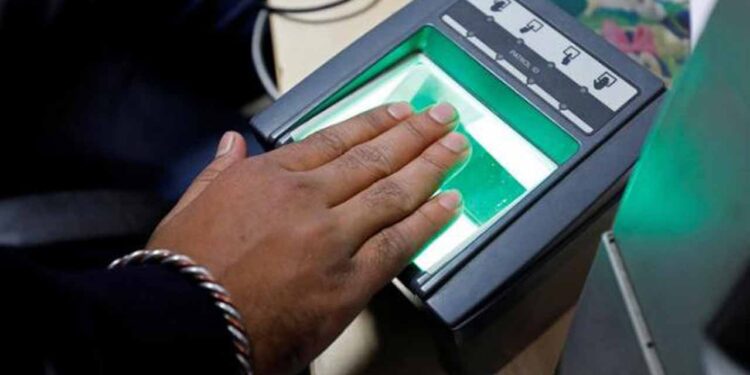
The BVN remains a unique biometric identifier that links all bank accounts belonging to a customer.
It helps prevent unauthorised access and supports secure banking across Nigeria.
Over time, it has become a cornerstone of the country’s financial system.
Its continued growth reflects both regulatory efforts and increasing adoption of digital identity among Nigerians.