
Ramadan now stands at the centre of Nigeria’s 2027 election debate.
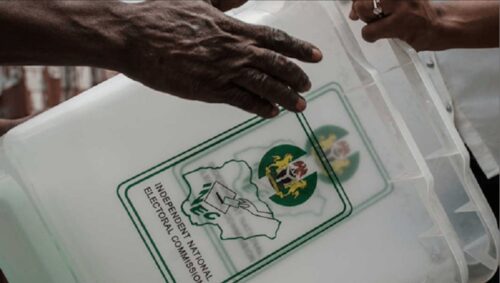
Earlier, the Independent National Electoral Commission fixed February 20, 2027 for presidential and National Assembly elections.
Ramadan And The Election Calendar
It then scheduled governorship and state assembly polls for March 6, 2027.
However, both dates fall within Ramadan, expected from February 7 to March 8, 2027.
For many Muslims, this period marks a sacred time of fasting and prayer.
INEC says it followed regulations introduced in 2019.
Specifically, the rules require national elections on the third Saturday in February.
They also direct the Commission to hold state elections two weeks later.
Moreover, the Commission insists the schedule complies with the Constitution and the Electoral Act.
Criticism And Consultations
Despite this defence, critics argue fasting could discourage turnout and test physical endurance.
They warn that long queues may strain voters observing the fast.
In response, former Vice President Atiku Abubakar urged the Commission to reconsider the timing.
Read Also: $3B FX Inflows In January Driven By Higher Yields
He argued that elections demand full participation, focus and strength.
Nevertheless, INEC maintains the legal basis for its timetable.
At the same time, it acknowledges concerns raised by stakeholders.
Consequently, the Commission says it is consulting widely on the issue.
If necessary, it will seek legislative intervention to adjust the dates.
Furthermore, INEC assures the public that it remains sensitive to concerns about participation.
Rising Election Costs
Meanwhile, the Commission has presented its financial estimates to lawmakers.
It says it requires ₦873.78 billion to conduct the 2027 elections.
This figure exceeds the ₦313.4 billion released for the 2023 polls.
In addition, INEC has requested ₦171 billion to fund its 2026 operations.
For now, the timetable stands.
However, ongoing consultations may still shape the final decision.