
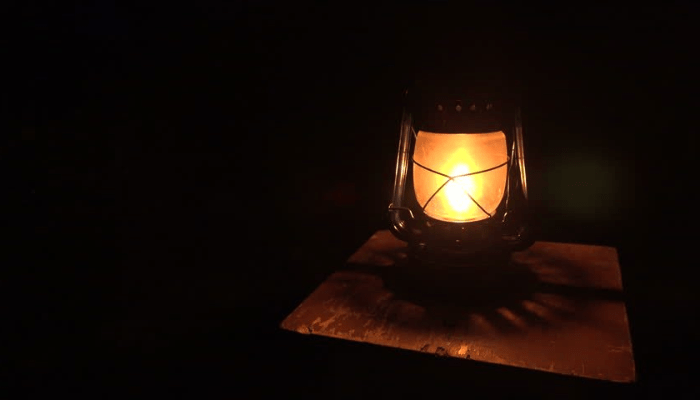
On Friday, a nationwide blackout swept across Nigeria, leaving homes, businesses, and public services in complete darkness.
The Nigerian Independent System Operator (NISO) confirmed that the grid had collapsed, marking the first full national failure of 2026.
Cause Of The Blackout
According to NISO, multiple 330kV transmission lines tripped, and some grid-connected generating units disconnected, causing the outage.
As a result, electricity generation across the national network fell to zero by 12:40 pm, affecting the entire country simultaneously.
By 1:00 pm, all 11 electricity distribution companies reported no power, which confirmed a total system shutdown.
Restoration Efforts Underway
Immediately after the blackout, engineers began restoration efforts, following established procedures to restart generation and transmission nodes safely.
By the time of the update, crews had restored electricity to major cities, including Abuja, Lagos, Osogbo, Benin, and Onitsha.
Read Also: FG Pays ₦152Bn To Contractors Amid Abuja Protests
Additionally, power returned to Sakete, Jebba, Kainji, Shiroro, and several surrounding areas, authorities said.
Meanwhile, engineers continue working in other regions, carefully bringing sections of the grid online to prevent further disruption.
Ongoing Challenges
Nigeria’s grid has experienced repeated partial and total collapses in recent years, raising widespread concern among stakeholders.
Experts emphasise that distribution companies often struggle to absorb all generated electricity, which creates imbalances and risks system stability.
Finally, NISO confirmed that investigators continue examining the root causes, and officials prioritise full restoration and stabilisation of the national grid.
Friday’s blackout underscores the urgent need for sustained investment in transmission infrastructure and stronger grid management.