

Sachet Alcohol will disappear from Nigerian shelves by December 2025, raising tension across the business community.
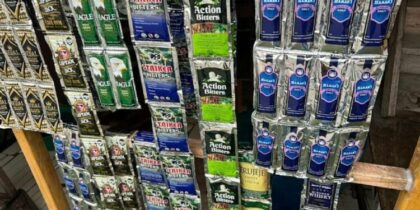
For years, low-income consumers have relied on these small, affordable drinks.
Sachet Alcohol Faces Ban
Now, with NAFDAC enforcing the ban, manufacturers and retailers must face an uncertain future.
The policy began in 2018, when NAFDAC, the Ministry of Health, the FCCPC, and industry groups agreed to phase out alcoholic drinks in sachets and PET bottles under 200ml.
Furthermore, lawmakers have declared that they will not grant any extensions.
The grace period ends, and businesses must either adapt or close.
Economic Impact Looms
Manufacturers warn that a financial storm looms.
The Manufacturers Association of Nigeria estimates that companies will lose ₦1.9 trillion in investments and hundreds of thousands of direct jobs.
Moreover, smaller firms may run out of cash, while unions caution that smuggling and unsafe alcohol could flood the market.
Read Also: CBN Settles Over ₦5 Trillion In Debt As Bank Deposits Decline
Health And Business Debate
Meanwhile, health advocates emphasise hope.
Groups like CHFA and CAPPA argue that the ban protects children, reduces addiction, and prevents social problems.
They also point out that automation in sachet production limits job losses, so claims of mass unemployment appear exaggerated.
Economists describe the situation as a balancing act.
The Founder/Chief Executive Officer (CEO) of the Centre for The Promotion of Private Enterprise (CPPE), Dr Muda Yusuf, explains that consumers buy sachets because larger bottles have become unaffordable, and removing them will hurt producers and small retailers.
Likewise, a lecturer in the Department of Economics at Nasarawa State University, Abdulmalik Abdulazeez warns that firms must manage unsold stock, redesign production, and cope with falling demand.
As December 2025 approaches, Nigeria stands at a crossroads: it must safeguard public health while avoiding economic disruption.
The outcome will shape the country’s alcohol market for years to come.