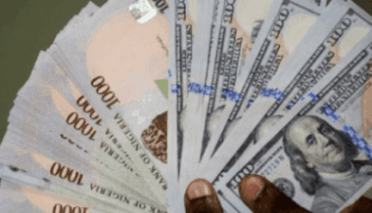

FIRS Withholding Tax is set to reshape Nigeria’s short-term investment landscape.
The Federal Inland Revenue Service (FIRS) announced a 10% tax on interest earned from short-term securities, signalling a major shift for investors.
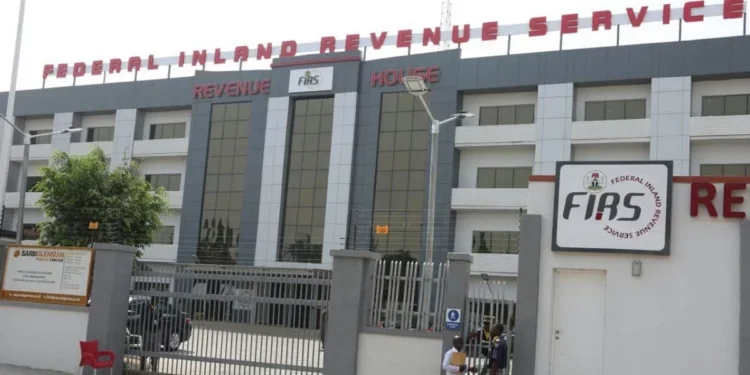
FIRS Withholding Tax Reshapes Market
For years, treasury bills, corporate bonds, promissory notes, and bills of exchange attracted investors because they offered competitive yields and quick returns, all tax-free.
However, the new directive now requires banks, stockbrokers, and other financial institutions to deduct tax at the point of payment, forcing many market participants to reconsider their strategies.
Impact On Short-Term Investments
Meanwhile, the government keeps interest on federal government bonds exempt, providing a small refuge for cautious investors.
At the same time, FIRS ensures transparency by allowing investors to receive tax credits for amounts withheld, except when the deduction qualifies as final tax.
Read Also: Nigerian States Hit 66.9% Education Implementation In 2025 — BudgIT
Compliance And Investor Reactions
FIRS Executive Chairman Zacch Adedeji stressed that authorities will penalise non-compliant institutions and charge accrued interest.
The notice, which directly addresses financial institutions, corporate bond issuers, tax practitioners, and the public, reinforces Sections 78(1) and 81(1) of the Companies Income Tax Act and the 2024 Withholding Tax Regulations.
Historically, short-term bills have rewarded yield-hungry investors with quick gains and low risk.
Consequently, the withholding tax may prompt investors to reassess expected returns.
Overall, the government demonstrates its commitment to strengthen tax enforcement on investment income.
Therefore, short-term returns, once entirely tax-free, now contribute to federal revenue.
For Nigeria’s market, the message is clear: the era of completely tax-free short-term earnings has ended.