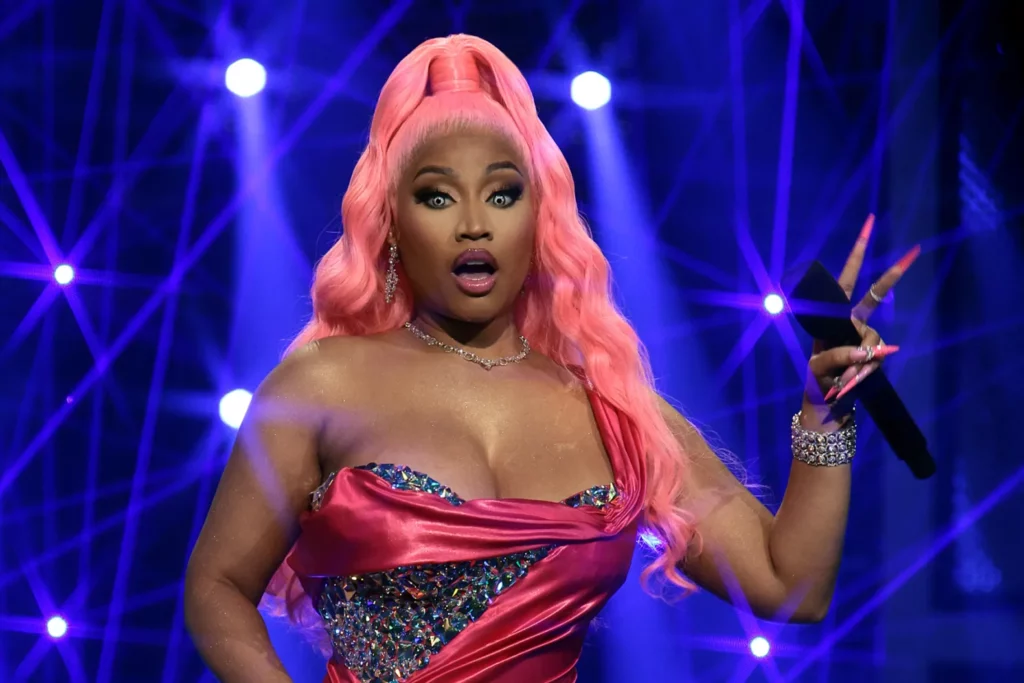

Every year on October 31st, the world lights up with spooky costumes, carved pumpkins, trick-or-treating, and eerie decorations.
Streets come alive with laughter, children in masks knock on doors for candy, and adults host themed parties filled with creative costumes and glowing lanterns.
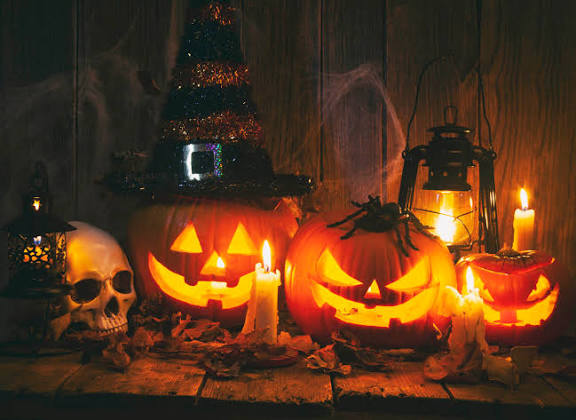
It’s fun, dramatic, and a little mysterious.
But beyond the costumes, candy, and spooky aesthetics lies a deeper story one many people don’t know.
Halloween wasn’t always about parties or playfulness.
Its roots stretch back thousands of years, born from ancient traditions that tried to make sense of life, death, and the unseen world.
Where It All Began
Halloween started over 2,000 years ago from an ancient Celtic festival called Samhain (pronounced “sow-in”).
It marked the end of harvest season and the beginning of winter a time people believed the boundary between the living and the dead became blurry.
The Celts would light bonfires, wear costumes to ward off spirits, and make offerings to protect their homes.
When Christianity spread through Europe, the church adopted some of these traditions and renamed November 1st as All Saints’ Day (or All Hallows’ Day) a day to honour saints.
The night before became known as All Hallows’ Eve, which eventually shortened to Halloween.
What It Means Today
Over the centuries, Halloween evolved from a spiritual and seasonal festival into a cultural celebration.
Today, it’s less about ghosts and more about fun, creativity, and community.
People dress up as characters, decorate homes with spooky themes, and share laughter turning fear into entertainment.
For kids, it’s about candy and costumes; for adults, it’s about expressing creativity and having fun with friends.
Why Some People Avoid It
In many parts of the world, including Nigeria, some people view Halloween as “dark” or “evil” because of its imagery witches, ghosts, and skulls.
However, most modern celebrations have no connection to witchcraft or devil worship.
They are simply cultural expressions much like Valentine’s Day or Christmas parties have evolved beyond their original meanings.
Still, it’s perfectly okay for people to choose not to celebrate based on their faith or personal beliefs.
Understanding the history simply helps us see that Halloween, at its core, isn’t about evil it’s about marking the mystery of life, death, and creativity.
Also read: Nigerian Foods That Help Keep Your Breasts Healthy