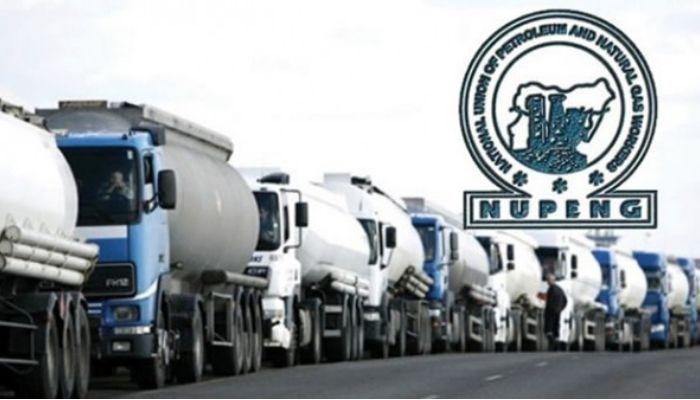

For years, Nigeria’s oilfields and pipelines struggled with losses, as theft and faulty metering drained barrels of crude daily.
However, the tide is now turning.
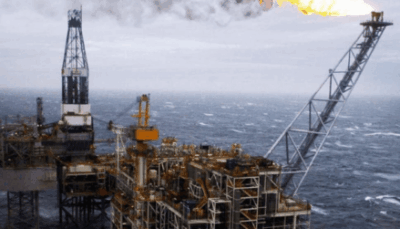
The Nigerian Upstream Petroleum Regulatory Commission (NUPRC) reports that daily crude losses in July fell to 9,600 barrels—the lowest since 2009.
Steady Progress Since 2021
Looking at the first seven months of 2025, total losses reached just 2.04 million barrels, marking a dramatic drop from the 37.6 million barrels lost at the height of 2021.
That year, Nigeria recorded the highest crude losses in over two decades, averaging 102,900 barrels per day.
Since the Petroleum Industry Act came into effect in 2021, the country steadily regained control.
Read Also: Qatar Restricts Solo Travel For Nigerian Men
Losses dropped to 20.9 million barrels in 2022, fell further to 4.3 million in 2023, and declined again to 4.1 million in 2024.
Strategies Driving The Turnaround
The NUPRC credits this turnaround to a mix of bold strategies.
On the ground, it strengthened partnerships with security forces, operators, and local communities.
Meanwhile, it tightened regulatory oversight, conducted comprehensive metering audits to ensure accurate measurement, and approved 37 new crude evacuation routes to block oil theft.
As a result, what once defined the industry as wasteful is now showing resilience.
Nigeria’s oil sector actively reclaims lost ground, barrel by barrel, demonstrating a tangible shift from crisis to control.