

Early on Monday morning in Lagos, traders opened their shops with anxious eyes on the dollar to naira exchange rate.
For many Nigerians, the rising cost of the dollar was not just numbers, it was a story of survival.
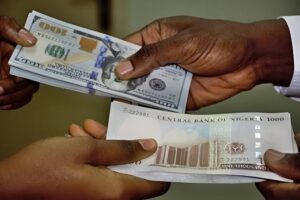
On Monday, September 8, 2025, many Nigerians woke up checking the black market rates with worry.
The dollar traded at ₦1,530 for buying and ₦1,540 for selling.
For ordinary citizens, these numbers were not just statistics but a daily reality that shaped how much food they could buy.
And also, how much fuel they could afford, and how much it would cost to send money abroad.
Black Market Vs Official Rate
The difference between the black market and the official Central Bank of Nigeria (CBN) rate continues to be a major concern.
While the CBN publishes a much lower exchange rate, most people cannot access dollars at that level because supply is scarce and policies remain strict.
Importers, businesses, and even families are forced to turn to the black market, where demand drives up prices.
Also Read: Liquidity Boost, Rising Reserves Push Naira To Six-Month High Of ₦1,514.86
This growing gap fuels inflation and places heavier pressure on households already struggling with rising living costs.
Why the Dollar Stays High
Several issues keep the dollar expensive in Nigeria.
Declining oil revenues have reduced the country’s main source of foreign exchange.
At the same time, demand for dollars remains high, from importers bringing in goods, to international students paying school fees, and travelers needing money abroad.
Inflation also weakens trust in the naira, leading many people to store their savings in dollars.
Speculators add to the problem by holding dollars in expectation that the naira will continue to lose value.
Daily Impact On Nigerians
The effects of this situation reach every home and market.
Importers pay more for goods and raw materials, costs that are quickly passed to consumers.
Manufacturers relying on foreign inputs face higher expenses, which slow production and threaten jobs.
Families with children studying abroad are stretched thin as tuition and upkeep rise sharply.
Everyday Nigerians feel the weight most at food stalls, fuel stations, and markets, where prices climb faster than wages.
The black market rate is no longer distant, it is part of daily survival.
What Lies Ahead For The Naira?
Analysts believe that until Nigeria improves foreign exchange inflows, the naira will remain unstable.
Possible solutions include diversifying exports beyond oil, encouraging more foreign investment, and increasing diaspora remittances.
These measures, they argue, could help restore balance and ease the pressure on the naira.
For now, Nigerians continue to live with uncertainty, watching closely as the black market shapes the value of their hard-earned money.