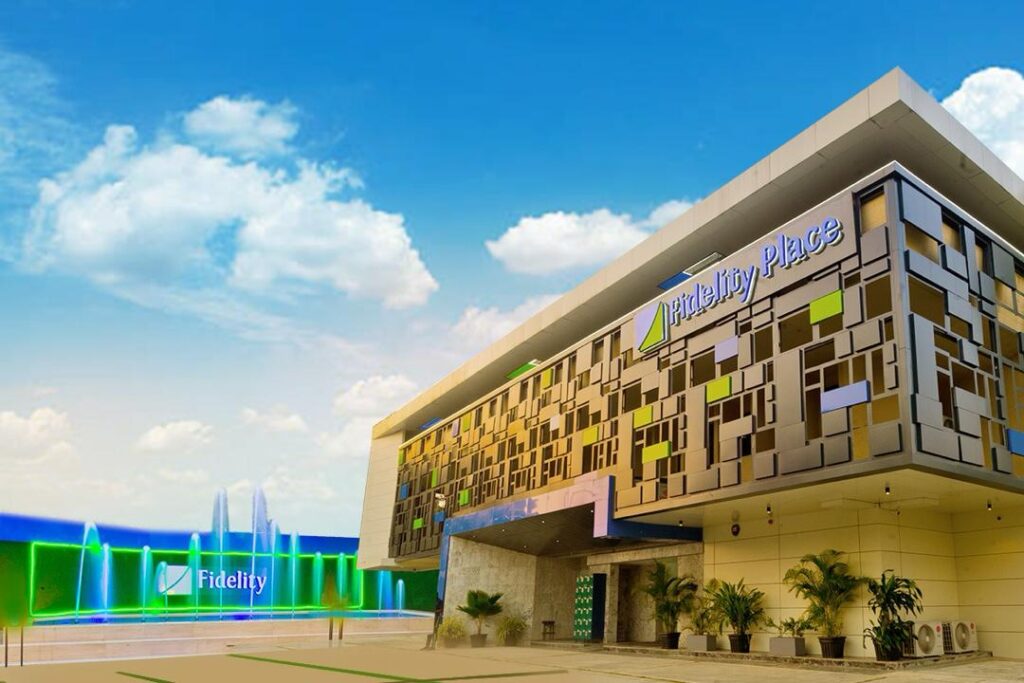

Nigeria’s economy pulses on the energy of its SMEs—they create jobs, sustain families, and fuel innovation. Yet many small businesses stumble—not from lack of ideas, but due to outdated systems. Recognising this gap, Fidelity Bank (led by CEO Dr. Nneka Onyeali‑Ikpe) has launched the Fidelity SME Empowerment Programme (FSEP)—a focused effort to digitally empower 100 growth-stage businesses.

This move isn’t just CSR—it’s strategic economics. As a winner of multiple awards like Best SME Bank Nigeria and the 2025 DBN Innovation Award for MSME support, Fidelity positions itself as Nigeria’s leading SME partner.
What Fidelity Offers: The Digital Toolkit Breakdown
Each selected SME receives:
* A POS desktop terminal (with instant Fidelity settlement)
* ERPRev business management software
* Receipt printer & barcode scanner
* Support with inventory and business data setup
* Access to expert training and a 6-month post-program advisory
That’s ₦1 million worth of hardware, software, and mentorship—designed to replace the dusty ledger book with automation and data-driven decisions.
Who Can Apply—And Where?
Eligibility is limited to business owners in major economic hubs like Lagos, Kano, Port Harcourt, and other selected cities. Applicants must have a Fidelity Business Account and must register through the provided application portal.
Fidelity’s tagline for this effort: “Fidfam, are you in?”—calling its customer base to step into digital transformation.
Beyond the Gadgets: The Bigger SME Strategy
This isn’t just a one-off giveaway. FSEP sits alongside Fidelity’s robust ecosystem:
* Fidelity SME Academy offers free business advisory, capacity building, and advisory linkages—covering financial literacy, e-commerce, digital marketing, and more.
* The SME Hub in Gbagada, Lagos, includes Creativerse—a facility with studios for podcasting, photography, music, and content creation. It provides training, co-working space, and industry networking for creative entrepreneurs.
From training to tools to space—Fidelity’s strategy is ecosystem-scale support.
Why It’s Timely: The Tech-First Imperative
Nigeria’s MSME landscape is shifting—young entrepreneurs want digital tools, data access, and smooth operations. Studies show digitized SMEs grow revenue up to 30% faster.
Also Read: How Bright Chimezie’s Music Landed Global Publishing Deal
By handing out POS terminals and ERPs, Fidelity aims to close the gap between formal and informal businesses—and shrink the digital divide.
It also reinforces Nigeria’s economic diversification vision: creative exports, content monetisation, formalising informal markets—all powered by structured banking partnerships.
Real Talk: Why This Programme Is Juicy
* High value, low barrier to access: Entrepreneurs get real tools—no cutting corners.
* Boosts bank trust: Existing small traders are invited into the formal economy.
* Catalyst for scale: With data, SMEs can access loans, track growth, and build credit.
What To Watch Out For
* Will beneficiaries beyond top-tier hubs have access later?
* Will the support remain consistent after the initial six months?
* And critically: how will Fidelity track long-term impact—does revenue truly grow for all participants?
This programme is powerful—but its sustainability and reach will define its legacy.
Bottom Line
The Fidelity SME Empowerment Programme is much more than another bank’s CSR. It’s a model for digital SME acceleration—turning dusty stalls into data-driven micro-enterprises.
For Nigeria’s economy to transition from subsistence to scale, more institutions must copy Fidelity’s playbook: provide tools, teach skills, and embed SMEs in formal systems.