

Nigeria’s telecommunications landscape is undergoing a quiet transformation.
In August 2025, the Nigerian Communications Commission (NCC) reported that total subscriptions reached 171.6 million, up from 169.3 million in July, signalling that Nigerians are embracing connectivity more than ever.
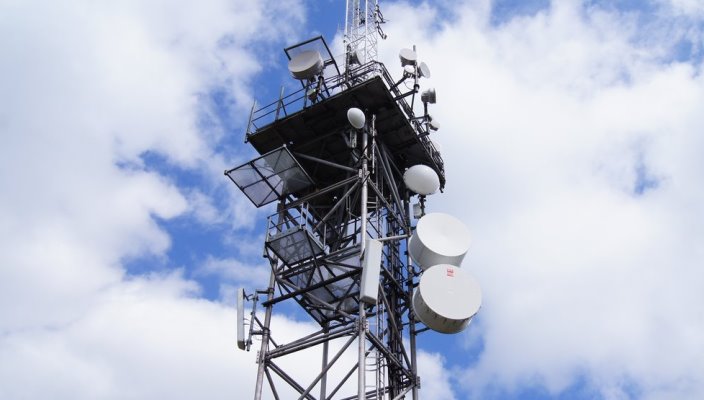
At the same time, broadband penetration increased to 48.8%, marking a steady march towards a more digitally connected nation.
Networks And Technology Drive Uptake
This growth stems from expanding networks and changing user habits.
Mobile services have become essential for education, business, and entertainment, particularly as operators improve rural coverage and economic activity picks up.
Analyst Jide Awe explains that both aggressive marketing campaigns and the rising dependence on mobile technology drive this upward trend.
Market leaders MTN Nigeria and Airtel dominate the sector, holding 52.3% and 33.9% shares respectively, while Globacom and 9mobile follow.
Moreover, investment in 4G and 5G technologies reshapes the landscape: 4G usage climbed to 51.2%, while 5G adoption rose to 3.3%.
Read Also: Beta Glass Champions Eco-Friendly Packaging At Propak West Africa
Meanwhile, older 2G and 3G networks continue to decline.
Opportunities In Digital Inclusion
Broadband subscriptions reached 105.2 million, yet less than half the population enjoys access, highlighting a clear opportunity for expansion.
To bridge this gap, the NCC actively promotes competition and affordability.
Ultimately, Nigeria’s telecom sector is no longer just about mobile phones; it drives economic growth, digital inclusion, and innovation.
As operators expand 5G and broadband networks, the country positions itself to connect citizens while setting a benchmark in Africa’s emerging digital economy.