

Transport costs across Nigeria kept rising in April 2026, and they strained households and businesses nationwide.
The National Bureau of Statistics (NBS) reported that average intercity bus fares reached ₦9,607.41 per passenger in April.
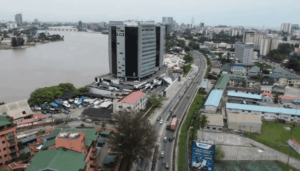
The Transport Fare Watch report showed commuters paying higher prices across most transport modes nationwide.
These modes included intra-city buses, motorcycles, water transport, and air travel across Nigeria.
Persistent inflation, high fuel prices, and rising operating costs drove these increases across the sector.
Intercity bus fares rose 21.58% year-on-year, climbing from ₦7,901.70 in April 2025.
However, monthly increases stayed relatively mild despite the sharp annual rise in fares.
Meanwhile, intra-city bus fares climbed to ₦1,397.27 per trip across urban centres nationwide.
In addition, motorcycle transport recorded a sharp 56.20% year-on-year increase across many routes.
Similarly, water transport rose significantly across several states during the reporting period.
Air fares increased slightly month-on-month, yet they remained higher than last year’s levels.
State Transport Variations
On a state level, Abia State recorded the highest intercity bus fares among all surveyed states.
Conversely, Kwara State recorded the lowest intercity bus fares during the same period.
Read Also: Seplat CEO, CFO Lift Equity Positions With 2.67M Vested LTIP Shares
Furthermore, Zamfara and Lagos recorded some of the highest intra-city transport fares.
In contrast, Abia State posted the lowest intra-city transport fares across the country.
For air travel, Kano recorded the highest fares among all states surveyed.
Meanwhile, Gombe recorded the lowest air fares during the reporting period nationwide.
Regional Transport Costs Pressure
Regionally, the South-West recorded the highest transport costs across all geopolitical zones.
As a result, stronger economic activity and higher transport demand pushed up costs in the region.
Inflation Impact
Overall, transport costs continued to drive Nigeria’s cost-of-living pressures nationwide.
Notably, inflation stood at 15.69% in April 2026, according to NBS data.
In addition, fuel, maintenance, and logistics costs remained elevated across the transport sector.
Finally, the Federal Government introduced measures to stabilise aviation fuel prices recently.
Specifically, it implemented a jet fuel price cap and provided short-term airline credit support.