

Since 2017, the IOM has helped more than 60,300 Nigerians return home from dangerous migration routes.
Many migrants left Nigeria seeking better economic opportunities, but traffickers exploited and abused them overseas.
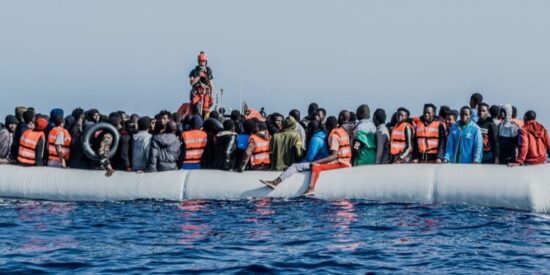
Dangerous Migration Journeys Abroad
Recently, IOM Chief of Mission in Nigeria, Sharon Dimanche, shared these figures during a media briefing.
Most migrants became stranded in North African transit countries or along migration routes to Europe.
Consequently, human traffickers forced them into labour, detention, and other forms of exploitation abroad.
Safe Return And Reintegration
The IOM ensures migrants return safely and helps them rebuild their traumatised lives in Nigeria.
“Migration should never be a desperate gamble.
People must migrate safely, legally, and with dignity,” Dimanche said.
Additionally, reintegration programmes help returnees access work, education, and counselling to regain stability.
Read Also: NDPC Issues Caution To Content Creators Over Privacy Violations
Despite these efforts, many Nigerians continue to consider leaving the country to seek opportunities abroad.
Surveys by NOI Polls reveal that over half of Nigerians have seriously considered emigrating overseas.
The desire to leave appears strongest among young people, urban residents, and highly educated citizens.
Economic hardship drives migration, as 42% cite job opportunities abroad and 39% cite poverty at home.
Awareness And Future Choices
Furthermore, unemployed Nigerians seeking work, full-time, and part-time employees often actively contemplate leaving the country.
The IOM also supports internally displaced persons and educates communities about safe, legal migration pathways nationwide.
Since 2017, a joint EU-IOM programme has safely returned nearly 17,000 Nigerians stranded across Europe.
Each returnee demonstrates resilience, survival, and highlights the crucial need for humane migration support services.
Yet, too many young people still risk their lives on dangerous routes, despite awareness campaigns.
Ultimately, returnees’ stories remind Nigerians that migration should always remain a safe, dignified choice.