

Nigeria is losing large volumes of food after harvest; as a result, food security concerns are rising.
The Organisation for Technology Advancement of Cold Chain in West Africa (OTACCWA) says Nigeria recorded ₦3.5 trillion to ₦5 trillion post-harvest losses in 2025.
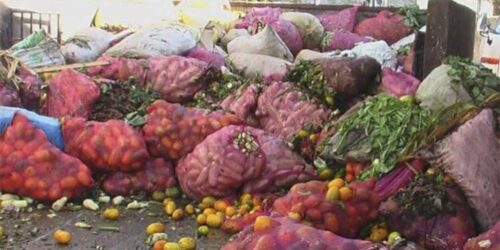
Rising Post-Harvest Losses
Speaking in Lagos, OTACCWA President Alexander Isong blamed weak value chains and limited cold storage infrastructure.
Nigeria lost 30 to 40 million metric tonnes of food across major value chains; consequently, pressure increased.
Losses hit tomatoes, vegetables, fruits, dairy, meat, fish and root crops the most.
These products depend on proper storage, transport and reliable cold chain systems; however, gaps persist.
Farmers Under Pressure
Isong said post-harvest losses waste investments farmers already make before harvesting.
Farmers invest in land, seedlings, fertiliser, labour, irrigation and transportation; therefore, spoilage reduces returns.
When produce spoils, farmers lose income and the country loses economic output.
Farmers earlier warned about worsening conditions across Nigeria’s agricultural sector; meanwhile, risks continued rising.
Producers in North-Central and North-West regions cited rising costs, insecurity and post-harvest losses.
Higher input costs are making farming unsustainable; in addition, insecurity disrupts production cycles.
Read Also: Health Costs Jump 30.35% In January Despite Slow Inflation
Insecurity disrupts planting, harvesting and food supply chains; as a result, supply weakens.
Large post-harvest losses threaten productivity and profitability; therefore, sector confidence declines.
These warnings highlight structural weaknesses across Nigeria’s agricultural value chain.
Food Security Risks
The Food and Agriculture Organization (FAO) projects 34.7 million Nigerians may face severe food insecurity in 2026.
The risk period falls between June and August; during this time, shortages typically peak.
The FAO stressed that authorities must implement urgent, coordinated interventions to prevent worsening conditions.
OTACCWA said Nigeria must invest in cold chain infrastructure and logistics; otherwise, losses will persist.
Without improvements, Nigeria will keep losing food even as agricultural production increases.