

At Murtala Muhammed International Airport (MMIA), change is coming.
The Federal Airports Authority of Nigeria (FAAN) plans to modernise cargo operations within 18 months.
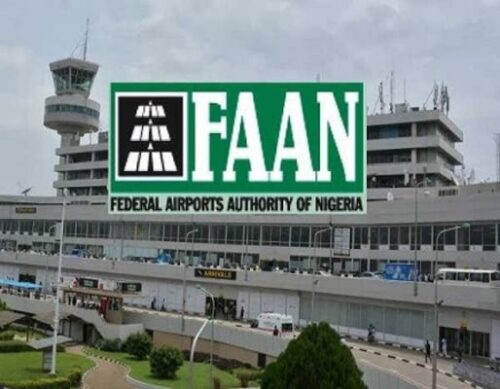
Cargo Modernisation At MMIA
The Truck Call-Up System will lead this transformation, funded by a recently revised cargo tariff, which rose from ₦7 to ₦20 per kilogram.
FAAN aims to reduce congestion, improve cargo handling, and create predictability for operators.
Currently, trucks often queue for hours, with many unregistered or poorly tracked, which slows terminal operations.
Therefore, the authority decided to digitise scheduling and improve coordination among operators, regulators, and service providers.
Digital Systems In Action
The Truck Call-Up System and the Cargo Community System (CCS) will drive this process.
Lagos will serve as the primary pilot, while Abuja will host a secondary test.
Within nine months, trucks should begin operating under the call-up system.
Meanwhile, the CCS pilot will go live in 12 months.
Read Also: ABC Transport Profits Hit ₦1.4Bn On Waybill Boost
Operators will notice early benefits within the first year, including at least a 30% reduction in truck turnaround times.
Over three years, the systems should deliver full efficiency gains.
FAAN will monitor progress through a Cargo Tariff Oversight Committee and will publish bi-annual reports on dwell times, turnaround times, and system uptime.
Vendors who miss milestones will face penalties, and stakeholders may request tariff freezes or rebates.
Faster Handling, Better Logistics
The tariff increase reflects rising operating costs, high inflation, and currency depreciation since 2008.
FAAN emphasises that the ₦20 charge funds shared infrastructure rather than private fees.
Consequently, operators can expect faster handling, better space management, and reduced congestion.
If FAAN executes its plan effectively, Lagos cargo operations could transform from chaotic queues into a modern, efficient, and predictable hub.