

Nigeria’s infrastructure is struggling. Roads crumble, electricity fails often, rail networks remain limited, and housing shortages exceed 20 million units.
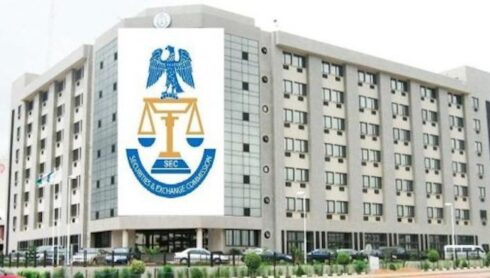
Meanwhile, in 2025, companies turned to short-term commercial papers to cover operational costs.
Infrastructure Challenges
By October, the SEC had approved over ₦1.3 trillion in commercial papers, raising refinancing risks.
As a result, analysts warned that short-term funding left long-term projects underfunded, especially in infrastructure, power, and manufacturing.
Long-Term Capital Focus
Now, the SEC is shifting focus to long-term capital to fund national development.
Director-General Dr Emomotimi Agama explained that 2026 will channel patient capital into priority sectors.
Specifically, these sectors include roads, power, rail, housing, agriculture, and digital infrastructure.
Studies indicate that Nigeria faces a $100 billion yearly infrastructure funding gap.
To bridge this gap, the SEC plans to promote infrastructure, municipal, and green bonds, plus specialised investment funds.
In agriculture, the SEC will list cooperatives and agribusiness firms to attract investment.
Read Also: President Tinubu Forecasts Declining inflation In 2026
Moreover, commodity-linked instruments and investment trusts will allow ordinary Nigerians to invest in farming.
In housing, the SEC will issue affordable housing bonds and revive REITs to fund mass housing projects.
Market Transformation
Additionally, the SEC will list small and medium-sized enterprises in manufacturing, automotive, and pharmaceuticals.
These listings will strengthen local production and reduce import dependence.
For energy, the SEC will fund projects through bonds, project-backed securities, and public–private partnerships.
Dr Agama emphasised that 2026 offers an opportunity to redefine Nigeria’s capital market role.
Ultimately, he wants the market to provide long-term solutions for the country’s pressing development needs.
With long-term capital finally in focus, Nigeria’s market may drive sustainable growth and development.