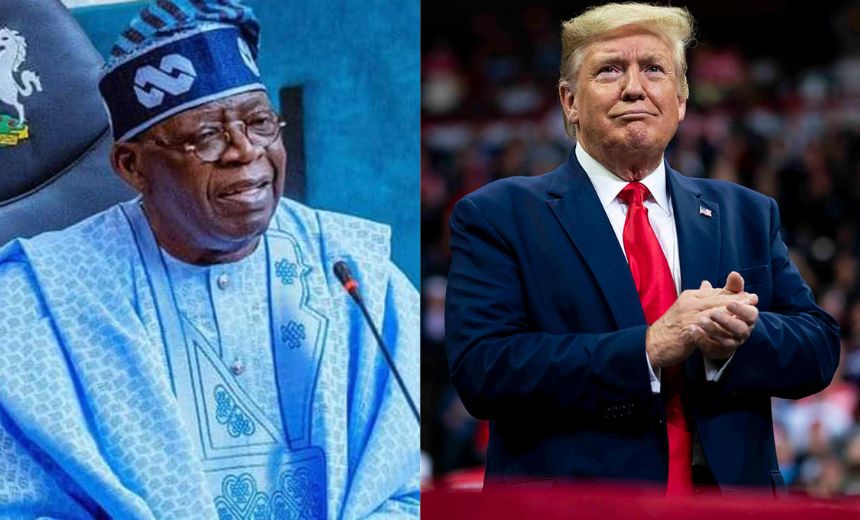

Picture this: You’re scrolling through your phone, enjoying a lazy afternoon, maybe sipping your favorite drink, when suddenly, a notification hits you like a thunderbolt: “Nigeria has been labeled a ‘Country of Particular Concern’ by Donald Trump.” Your brain freezes for a second. Wait… what? Did Nigeria just get grounded by the U.S.?
If that was your reaction, don’t worry — you’re not alone.
For most Nigerians, this news raises more questions than answers. What does it even mean to be a “Country of Particular Concern” (CPC)?
Is it a subtle diplomatic slap on the wrist, a major political embarrassment, or… is the U.S. secretly plotting a reality TV-style intervention?
Here’s the thing: the phrase “Country of Particular Concern” sounds official, serious, and vaguely ominous — like something straight out of a spy thriller or a political drama.
But behind the long words and legal jargon lies a very real mechanism of diplomatic pressure that can affect everything from foreign aid to international arms deals, and even Nigeria’s global reputation.
And yes, it’s juicy. The drama isn’t just in the labeling. It’s in the timing, the implications, and the reactions from politicians, diplomats, and social media users alike.
Confusion In The Land
Some are panicking, some are laughing, and some are furiously tweeting conspiracy theories.
Meanwhile, the rest of the country is left wondering: How did we get here, and what does this mean for us?
This is exactly why we’re here — to cut through the noise, decode the political jargon, and explain what being a CPC country really means for Nigeria, in plain language, without all the scary legalese.
We’ll tell you the backstory, the stakes, the potential consequences, and yes, even the diplomatic drama, because understanding global politics shouldn’t feel like reading a law textbook.
By the end of this article, you’ll not only know what a CPC is, but you’ll also be able to impress your friends at parties with phrases like, “Ah, yes… Nigeria is currently on the U.S. religious freedom radar.” And trust us, that’s going to get some raised eyebrows.
Buckle up, because this is about to get spicy.
Once Upon A Law: The CPC Explained
Think of the CPC designation as the U.S. giving a country a very serious time-out for misbehaving when it comes to religious freedom.
The legal rulebook behind this is called the International Religious Freedom Act (IRFA).
Passed in 1998, it’s basically the U.S. telling the world: “If you’re systematically persecuting people for their faith, we’re watching you — very closely.”
Being on the CPC list doesn’t mean the U.S. is sending in tanks (yet). It’s more like being on the principal’s radar: the country’s actions are under scrutiny, and certain penalties can be applied if things don’t improve.
Why Nigeria?
Trump’s announcement points to alleged large-scale attacks on Christians in parts of Nigeria. He cited what he claims are “systematic violations of religious freedom.”
Here’s the twist: while many reports focus on attacks affecting Christians, Nigeria’s security challenges are complex.
Violence in parts of the country often stems from terrorism, banditry, and herder-farmer clashes — not only religion.
But for the U.S., the CPC list is specifically about religious persecution, and Nigeria’s situation triggered the designation.
What Being On The CPC List Actually Means
Imagine this: you’re on a VIP watchlist, but instead of exclusive perks, you get some restrictions and very pointed looks from the U.S. Here’s the breakdown:
1. Sanctions: The U.S. can restrict certain types of aid (usually non-humanitarian), trade, or arms sales.
2. Visa restrictions: High-ranking officials linked to religious freedom violations may find themselves on a U.S. travel “no-fly” list.
3. Diplomatic pressure: Being on the CPC list puts Nigeria under international scrutiny, making foreign partners ask questions.
It’s a serious slap on the wrist — enough to get the country’s attention, but not a declaration of war. Think of it as the U.S. saying, “Behave, or else…”
How This Could Affect Nigeria
The effects aren’t purely political — they can touch the economy, diplomacy, and even everyday life:
* Foreign aid: Certain U.S. development projects could be delayed or reduced.
* Arms and security cooperation: Nigeria’s access to some U.S. military support could be limited, which is significant given ongoing security challenges.
* Global image: Being labeled a CPC country can make investors and allies more cautious.
On the flip side, everyday Nigerians aren’t suddenly banned from traveling to the U.S. or forced to convert religions. So, breathe — you’re not in a Hollywood thriller… yet.
Nigeria’s Response So Far
The Federal Government has pushed back, emphasizing that Nigeria is a sovereign nation where people of all faiths coexist.
President Bola Ahmed Tinubu called the designation “not reflective of Nigeria’s reality,” and officials are exploring diplomatic channels to push back.
In short, Nigeria is politely (but firmly) saying: “We see you, but that’s not exactly how things are on the ground.”
Beyond The Headlines
Beyond headlines, the CPC designation is a reminder of how global politics, law, and religion intersect.
Also Read: DSS Dismisses 115 Staff As Part Of Internal Reform; Public Alert Issued
For Nigerians, it’s about understanding that foreign labels can have real consequences: trade, security partnerships, and diplomatic relationships may all feel the ripple effects.
And for the rest of us, it’s a lesson in reading beyond the headlines — this isn’t just Trump shouting on social media.
It’s a legally defined process with rules, consequences, and a lot of subtlety that can affect an entire country.
The Opportunity
Nigeria being listed as a “Country of Particular Concern” is serious, but it’s not catastrophic. It’s more like being called to the principal’s office: there may be consequences if improvements aren’t made, but it’s also an opportunity to correct course and show the world that Nigeria respects the rights of all its citizens.
So next time someone drops the CPC acronym at a party or on social media, you can confidently nod, sip your drink, and explain: “It’s complicated… but basically, Nigeria’s on the U.S. watchlist for religious freedom, and it’s time to pay attention.”