

The Nigerian Upstream Petroleum Regulatory Commission (NUPRC) has reaffirmed that the country is steadily progressing towards achieving a complete gas flare-out by 2030
This is in line with the Federal Government’s energy transition goals.
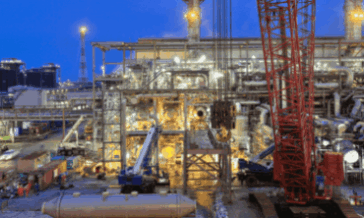
The Chief Executive of NUPRC, Engr. Gbenga Komolafe, stated that the commission’s flare gas commercialisation initiatives are driving significant progress in reducing waste and promoting sustainable energy utilisation.
Komolafe was represented by Dr Kelechi Onyekachi Ofoegbu, the Commission’s Executive Commissioner for Corporate Services and Administration,.
Also, he emphasised that Nigeria’s hydrocarbon agenda should go beyond oil production and gas monetisation.
“Through the NUPRC’s flare gas commercialisation initiatives, the nation is making steady progress toward the Federal Government’s goal of achieving complete flare-out by 2030,” Komolafe said.
He explained that the true measure of Nigeria’s hydrocarbon future lies in responsible resource governance that builds trust.
Also, it attracts sustainable investment, uplifts communities, safeguards the environment, and positions the nation strategically in the global shift towards cleaner energy.
“It should be about how we govern our resources to build trust, attract investment, uplift our people, protect the environment, and secure our place in the global sustainable energy transition,” he added.
Also, Komolafe noted that gas previously flared at various sites across the country is now being captured and repurposed for domestic energy use
These includes powering homes, supporting small-scale industries, and providing clean cooking energy for millions of Nigerians.
He, however, lamented the paradox of energy abundance and scarcity across the continent.
People Also Read: Cooking Gas Price Crashes To ₦1,400/kg Across Nigeria
Also, he pointed out that despite Africa’s over 125 billion barrels of proven oil reserves and more than 620 trillion cubic feet of gas, as well as Nigeria’s 37.28 billion barrels of oil and 210.54 trillion cubic feet of gas, over 600 million Africans still lack access to electricity.