

As night fell last week, much of Nigeria plunged into darkness.
Hospitals flickered with emergency lights, airports delayed flights, and train stations ground to a halt.
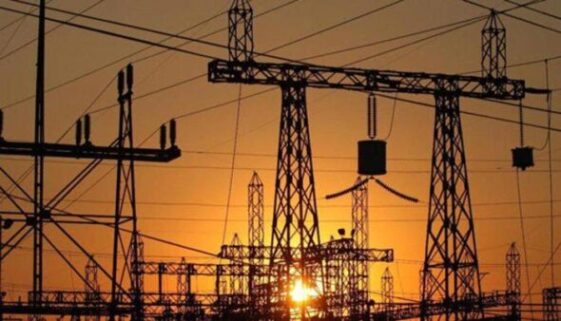
Initially, the Nigerian Independent System Operator (NISO) blamed a single power plant for tripping.
However, the Association of Power Generation Companies (GenCos) argues that the blackout exposed much deeper problems.
Debt Fuels Grid Fragility
CEO of the association, Joy Ogaji, explained that the outage reflects a chronic liquidity crisis in the power sector.
“A plant tripping may trigger the collapse, but government debt cripples every aspect of a GenCo’s operations—from daily gas purchases to essential maintenance,” she said.
NBET owes GenCos ₦4 trillion for 2024, with an additional ₦762 billion accrued between January and April 2025.
Consequently, companies defer maintenance, struggle to service debt, and hesitate to invest in new capacity.
Read Also: Mid-Day Market Slips As Banks Disappoint With Half-Year Results
As a result, the grid becomes fragile, prone to sudden faults and cascading failures.
Calls For Reform
Frequent start-stops increase costs, waste gas, and strain equipment, while investors avoid projects like the National Integrated Power Project (NIPP) due to sectoral uncertainty.
Ogaji stressed that transparent, fair, and independent governance could stabilise operations.
“Decision-making must not fall under—or appear to fall under—the control of any single class of market participants,” she said.
Unless the government clears debts and reforms the sector, Nigeria will face more frequent blackouts, prolonged outages, and a power system increasingly unable to meet the nation’s growing energy needs.