
ABC’s decision to suspend late-night host Jimmy Kimmel indefinitely over his remarks about the shooting of right-wing influencer Charlie Kirk has reignited debate
The debate is over freedom of speech, media responsibility, and political influence in the United States.
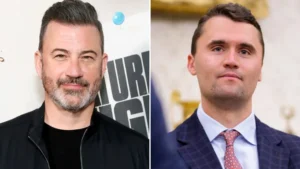
The suspension was announced after Kimmel criticised supporters of President Donald Trump.
He accused them of exploiting Kirk’s death for political gain.
Some applauded ABC’s move as an attempt to maintain sensitivity around a tragic event.
However, others view it as a dangerous precedent for censorship and political pressure on media voices.
The Tension Between Free Expression and Media Accountability
The U.S. Constitution protects the First Amendment right to free speech.
This includes the ability of individuals to express political views, criticisms, and satire.
Late-night shows in particular have a long tradition of pushing boundaries, using humour to comment on politics and social issues.
However, critics argue that Kimmel’s removal highlights the increasingly blurred line between free expression and corporate control.
Media companies, concerned with public relations and advertiser pressures, often prioritise business interests over free speech protections.
Political Influence and Selective Enforcement
What makes Kimmel’s suspension controversial is the perception of selective enforcement.
Political satire has always targeted figures across party lines, yet calls for punishment appear louder when the criticism touches sensitive political groups.
Trump’s celebratory response, labeling the suspension as “great news for America”—suggests that political influence may have played a role in the decision.
Also, this raises concerns about whether networks are succumbing to partisan pressure rather than protecting the principle of open discourse.
The Effect on Media Personalities
Media analysts warn that Kimmel’s case could create a chilling effect on other late-night hosts, comedians, and journalists who might now hesitate to criticise political figures or movements for fear of suspension.
If prominent media personalities begin self-censoring, the public may lose access to critical, alternative perspectives
Freedom of Speech
Jimmy Kimmel’s suspension is more than just a programming change.
Also, it symbolises a broader struggle between free speech, corporate interests, and political power in modern America.
The First Amendment ensures government cannot directly silence individuals
However, private corporations like ABC have the power to control platforms and limit voices.
People Also Read: Jimmy Kimmel Suspended After Controversial Remarks About Charlie Kirk
The debate now rests on whether Kimmel’s case reflects responsible moderation or a worrying step toward political censorship in mainstream media.