

When NUPENG sneezes, Nigeria catches a fever, and this time, the sickness may be terminal. The showdown between the Nigeria Union of Petroleum and Natural Gas Workers (NUPENG) and Africa’s richest man, Aliko Dangote, is shaping up to be more than just another labour dispute.
It is a brutal reminder that in Nigeria, the real rulers aren’t in Aso Rock or the National Assembly, they’re in oil boardrooms and union secretariats.
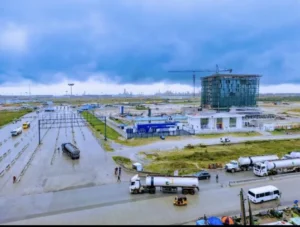
As NUPENG threatens to halt tanker drivers from lifting products from Dangote’s refinery, Nigerians stand on the edge of another man-made disaster.
This isn’t just about fuel; it’s about power, monopoly, and survival in a country where the price of petrol dictates the price of life itself. The question burning in every street corner isn’t “if” Nigeria will bleed, but how deep the wound will go once the strike begins.
Because when oil workers drop their tools, buses stop moving, food stops arriving, and the entire economy grinds to a halt. And if you think this is just a union fight, think again, this is a high-stakes chess game where Dangote, labour, and the Federal Government are playing with the daily bread of over 200 million Nigerians.
1. Fuel Scarcity — The Return Of Black Market Kings
The first and most obvious outcome will be long queues at petrol stations. NUPENG controls the backbone of fuel distribution, and if tankers stop moving, stations will dry up within days.
This scarcity will instantly revive the black market, where fuel prices could double or even triple overnight. The hardest hit? Everyday Nigerians who already spend more on transport than food.
2. Transport Paralysis — Lagos to Abuja at Cutthroat Prices
With fuel scarce, transport fares will skyrocket. From commercial buses to interstate travel, Nigerians will be forced to pay outrageous amounts for movement.
A 3,000 Naira trip from Lagos to Ibadan could shoot past 8,000 Naira. For workers, students, and traders, this means one simple thing: mobility becomes a luxury.
3. Food Prices Will Explode
When transport costs rise, food inflation follows like a shadow.
From tomatoes in Mile 12 to yams in Onitsha, farmers and traders will pass transport burdens to consumers. Already stretched households will face unbearable costs in markets. The strike, if it lasts, could trigger another wave of hunger protests nationwide.
4. Power Outages Will Get Worse
Nigeria’s fragile power supply depends heavily on diesel-powered generators. If fuel and diesel supply chains are cut off, businesses, hospitals, and even government offices will plunge into deeper darkness. Expect prolonged blackouts, especially in areas already struggling with erratic electricity.
5. Political Fallout — Dangote vs Labour, Government vs People
Beyond the economic impact, the strike will deepen political fault lines. Many will frame it as Dangote’s refinery versus Nigerian workers, but in reality, it’s also a test of the Federal Government’s credibility. If Tinubu’s administration sides with Dangote, public anger could spill into the streets.
Also Read: Femi Otedola Becomes Amazon’s No. 1 Best-Selling Author
Nigerians are already restless, and this may just be the spark for larger protests against fuel policies, refinery monopolies, and government insensitivity.
Who Really Holds Nigeria Hostage?
Every fuel crisis exposes a painful truth: Nigeria is too dependent on oil unions and billionaires to keep its economy afloat. With NUPENG’s strike threat, it is not just about Dangote, but about a country where the fate of 200 million people hangs on the decision of a few.
And until Nigeria fixes its dependency on oil politics, strikes like this will remain national emergencies disguised as union disputes.