

The Christmas rush in Nigeria is loud. The Christmas rush from abroad is quiet, steady, and paid in dollars.
Every December, a different kind of shopping happens. It does not take place in Computer Village or Balogun Market. It happens on WhatsApp, on Instagram, on video calls between Lagos and London, between Toronto and Enugu. A Nigerian abroad opens their phone, finds a vendor back home, and orders gifts for family. They pay in pounds. The vendor receives naira. The family receives rice, oil, clothes, a hamper, a new phone.
That transaction is the business. And the people who understand it are making money while everyone else is chasing local customers.
The Money Is Already Flowing
Nigeria’s diaspora sends home billions of dollars every year. In 2024, remittances reached about $20.98 billion . By 2025, the figure climbed to roughly $23 billion . Most of that money goes to family support, rent, school fees, food. But a growing slice of it is going somewhere else: to Nigerian businesses that have figured out how to sell to their own people abroad.
The festive season is the peak. Former Minister Babatunde Fashola noted that remittances during the “Detty December” period alone were equivalent to about four percent of Nigeria’s GDP . That is not pocket change. That is a market.
The Problem the Diaspora Has
A Nigerian in Houston wants to send Christmas gifts to their mother in Aba. They have three options. They can send money and hope the mother buys the right thing. They can ask a relative to shop, which means burdening someone and hoping they get it right. Or they can find a vendor who will shop, package, and deliver exactly what they want, and pay that vendor directly.
That third option is where the business is.
The demand is not just for gifts. It is for groceries. It is for household items. It is for the specific brands that a Nigerian abroad remembers and cannot find where they live. It is for the taste of home, delivered to a family member’s door .
And the diaspora buyer is not price-sensitive in the way a local buyer is. They are comparing the cost to what they would pay abroad, not to what a Lagos market trader would charge. That changes the math.
The Business Models That Work
The Personal Shopper Model
You offer a service: tell me what you want, and I will buy it, package it, and deliver it to your family in Nigeria. You charge a service fee on top of the cost of goods. The diaspora buyer pays you in dollars or pounds. You buy in naira. The spread is your profit.
This works best for groceries and household essentials. Rice, beans, garri, cooking oil, plantain, meat, fish . The diaspora buyer wants to know their family is eating well. You are the person who makes that happen.
The Gift Hamper Model
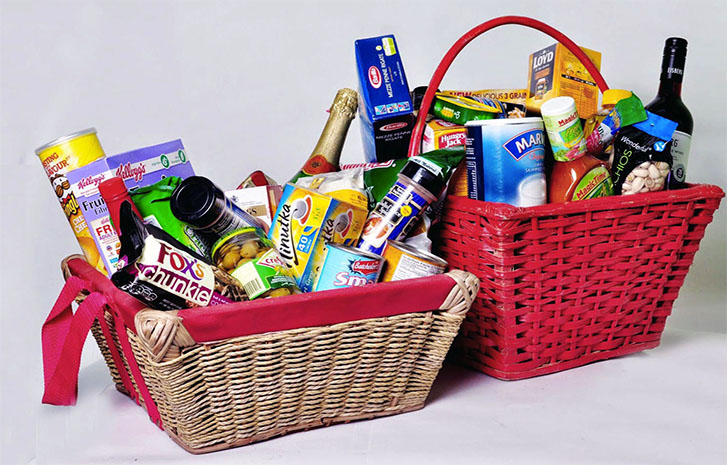
This is the Christmas-specific version. A diaspora buyer orders a hamper for their parents, their siblings, their friends. You assemble it: chin chin, plantain chips, local snacks, maybe a bottle of wine, maybe a phone accessory. You wrap it well. You deliver it. You send the buyer a photo of the delivery.
The margin on hampers is higher than on groceries because the value is in the curation, not the contents. A hamper that costs ₦25,000 to assemble can sell for ₦60,000. The diaspora buyer is not comparing it to a Lagos hamper. They are comparing it to a Christmas gift they would buy in London.
The Micro-Export Model
This is the harder but more lucrative option. You source a product locally and ship it abroad. The market for Nigerian food items, fabrics, and crafts in the UK, US, and Canada is real and growing . The logistics are the barrier: shipping costs money, and the buyer has to be willing to pay.
But the margins can be significant. A product that costs ₦5,000 in Lagos can sell for £30 in London. The shipping cost eats into that, but the diaspora buyer is often willing to pay because the alternative is not having the product at all.
The Infrastructure Is Already There
The reason this business is possible now, and was not ten years ago, is that the payment and logistics infrastructure has caught up.
Payment platforms allow a diaspora buyer to pay in their currency while the Nigerian vendor receives naira. The friction that used to kill these transactions has largely been removed. A vendor in Lagos can send a payment link to a customer in Toronto, and the customer can pay with a card, and the vendor can receive the money in their Nigerian bank account.
On the logistics side, local shopping and delivery services exist in major cities. You do not need to build a delivery network. You need to find the one that works in your city, negotiate a rate, and use it.
For exports, cargo companies ship from Lagos and Abuja to the UK, US, and Canada. The costs vary, but the infrastructure exists .
What You Need to Start
You need a phone, a data plan, and a list of products or services you can offer. You need a way to receive payment from abroad, which means a platform that supports international transactions. You need a delivery partner in your city. And you need one more thing: the ability to communicate clearly with someone who is trusting you with money and with a gift for their family.
That last part is not a small thing. The diaspora buyer is not in Nigeria. They cannot inspect the goods. They cannot walk into your shop. They are trusting you to do what you said you would do. The vendors who succeed are the ones who send photos, who follow up, who deliver on time, who treat a ₦40,000 hamper order with the same seriousness as a ₦400,000 one.
The Timing Is Now
The December window is already open. Diaspora buyers start planning their Christmas orders in November. They are looking for vendors now. They are asking in WhatsApp groups, in Facebook communities, in the group chats that connect Nigerians in London, Toronto, Houston, and Dubai.
The question is not whether the market exists. It does. The question is whether you will be visible when someone in that market searches for what you offer.
You do not need a shop. You do not need a logo. You do not need a foreign bank account. You need a product, a price, a payment method, and the discipline to deliver what you promised.
The money is already flowing. It is just flowing past most Nigerian businesses. This December, you can stand in its path.