

In Nigeria today, being famous no longer means simply entertaining people.
For many celebrities, fame now comes with another expectation, political activism.
From elections to economic hardship and insecurity, Nigerians increasingly demand that public figures speak out whenever national issues dominate conversations.
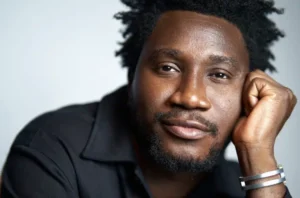
But skit maker and singer Nasboi believes that pressure is becoming unfair.
And his recent comments have reopened one of Nigeria’s most uncomfortable debates:
Do celebrities truly owe the public political activism?
Nasboi Defends Silent Celebrities
The entertainer, whose real name is Lawal Michael Nasiru Bolaji, criticised the constant attacks directed at celebrities who choose to stay silent on political matters.
According to him, many Nigerians fail to understand the consequences public figures often face after speaking out.
To support his argument, Nasboi pointed to comedian and actor Mr Macaroni, one of the country’s most outspoken celebrity activists.
He noted that despite repeatedly speaking on national issues and defending ordinary Nigerians, Mr Macaroni still faced insults, mockery and online harassment from the same public he tried to support.
For Nasboi, that reality explains why many celebrities prefer silence.
“Not Everybody Get Mind To Talk”
One of the strongest parts of Nasboi’s message was his blunt acknowledgment that courage is different for everyone.
He argued that not all celebrities have the confidence, emotional strength or willingness to openly confront political issues.
And according to him, Nigerians need to accept that reality rather than force activism on every public figure.
His statement may sound controversial, especially in a country where celebrity influence often shapes youth conversations and social movements.
But it also reflects a growing fear among entertainers who worry about backlash, political attacks or damage to their careers after speaking publicly.
Mr Macaroni And The Cost Of Speaking Up
Nasboi’s reference to Mr Macaroni was not accidental.
Over the years, the actor has become one of Nigeria’s loudest celebrity critics of government policies, police brutality and social injustice.
But his activism has repeatedly attracted hostility online.
Supporters praise him as courageous and principled.
Critics accuse him of seeking attention or being politically biased.
That division reveals something deeper about modern Nigerian society: Many citizens demand activism from celebrities — until the activism clashes with their own political beliefs.
Should Celebrities Be Political Leaders?
The controversy also raises a larger question.
Why do Nigerians place so much political expectation on entertainers in the first place?
Part of the answer lies in trust.
Many young Nigerians increasingly distrust politicians, institutions and traditional public figures.
As a result, celebrities often become alternative voices people emotionally connect with.
But that expectation can quickly become overwhelming.
Because while celebrities may have influence, they are still individuals with fears, personal beliefs and different levels of political interest.
Silence Is Now Viewed As A Political Position
One major reason this debate keeps growing is because silence itself is increasingly interpreted politically.
In today’s social media culture, refusing to comment on national issues is often treated as indirect support for the government or indifference toward public suffering.
That pressure places celebrities in a difficult position.
Speak out and risk backlash.
Stay silent and face criticism.
Either way, public judgment rarely stops.
Nigeria’s Celebrity Culture Is Changing
Years ago, entertainers could largely avoid political conversations without major consequences.
That era is disappearing.
The #EndSARS movement changed the relationship between celebrities and political engagement forever.
Since then, many Nigerians have started viewing silence from influential figures as moral failure rather than personal choice.
Nasboi’s comments therefore touch a sensitive cultural shift happening in Nigeria — the transformation of entertainers from mere performers into expected social commentators.
A Debate Without Easy Answers
The truth is, both sides of the argument may have valid points.
Citizens naturally expect influential voices to speak during difficult national moments.
At the same time, forcing activism on unwilling individuals may create performative outrage rather than genuine conviction.
You May Like: “Ransom Has Become Like Rent” — Atiku Blasts Tinubu Government Over Hardship
Not every celebrity is built for political battles.
And not every entertainer wants to become an activist.
But one thing is becoming increasingly clear: In modern Nigeria, fame and politics are now deeply connected — whether celebrities want that responsibility or not.