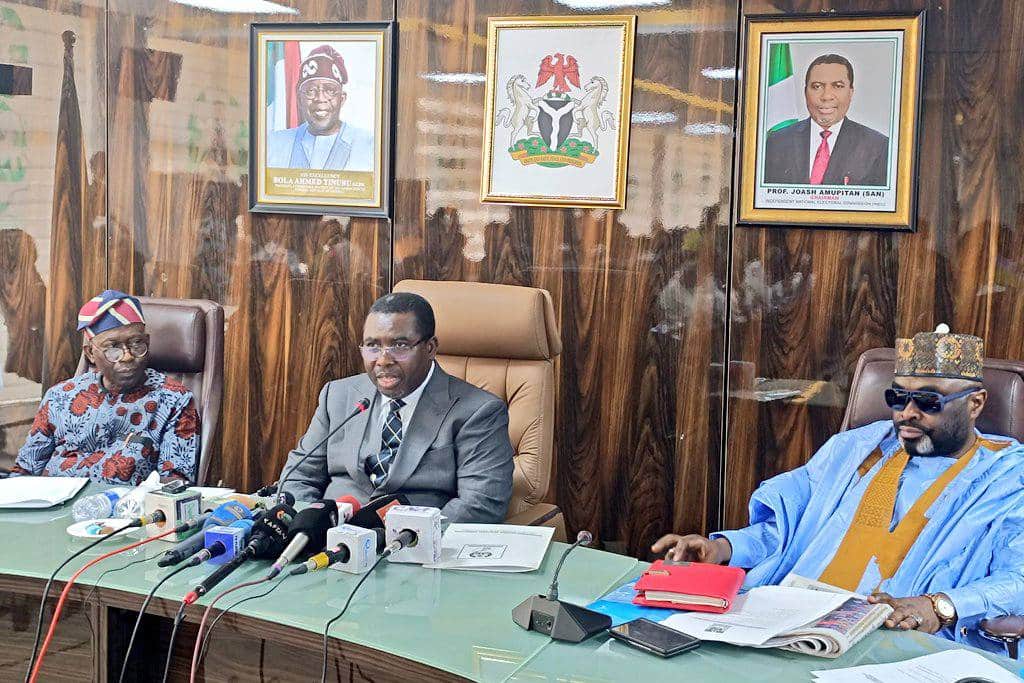

Nigeria’s power system faces fresh strain as weak hydropower limits electricity supply nationwide.
The chief executive of the Association of Nigerian Electricity Distributors, Sunday Oduntan, said hydro plants still produce far less than national demand.
Hydropower Shortfall
Specifically, the three main plants—Shiroro Dam, Kainji Dam, and Jebba Dam—supply less than one-third of total generation.
As a result, distribution companies rely on gas-fired plants, including Egbin Power Station, to support electricity supply.
Gas Supply Pressure
However, gas shortages continue to disrupt output and worsen outages across homes and businesses.
Meanwhile, the Nigerian Independent System Operator reports average generation at about 4,300 megawatts, below capacity.
Therefore, Oduntan urged stakeholders to increase generation to tackle Nigeria’s electricity supply challenges.
Liquidity And Policy Strain
In addition, he highlighted a liquidity crisis affecting electricity distribution companies across the country.
For instance, consumers fail to pay bills, people steal electricity, and government agencies delay debt payments.
Read Also: CBN Sets 6–9% Inflation Goal Amid Risk Of External Shocks
Consequently, these issues weaken the sector’s financial stability.
Furthermore, he urged operators to align generation, transmission, and distribution to improve system performance.
At the same time, the Nigerian Electricity Regulatory Commission ordered distribution companies to refund ₦20.33 billion to customers.
Under this directive, the companies will repay prepaid meter users through bill credits over twelve months.
However, industry stakeholders warn that this directive could further strain already weak finances.
Overall, weak generation, gas shortages, and financial pressures continue to hinder stable electricity supply nationwide.