

Nigeria is entering a new industrial chapter, as the government plans to dedicate up to 5% of GDP to industrial financing.
Nigeria’s Industrial Revival
The Nigeria Industrial Policy (NIP) 2025 aims to revive factories, strengthen domestic manufacturing, and boost exports.
Consequently, public–private partnerships will drive large-scale production, improve competitiveness, and create sustainable jobs nationwide.
Financing takes centre stage because the government recognises that industrial plans cannot succeed without adequate resources.
Therefore, the policy strengthens the Bank of Industry and expands sector-specific intervention funds.
In addition, it introduces new tools such as equity-based schemes, credit guarantees for small businesses, and interest-drawback programmes to support growth.
“Ambition alone is not enough; resources must match industrial goals,” the policy emphasises.
Read Also: DMO Reopens ₦800B Bonds Targeting Sub-20% Yields
Leadership And Implementation
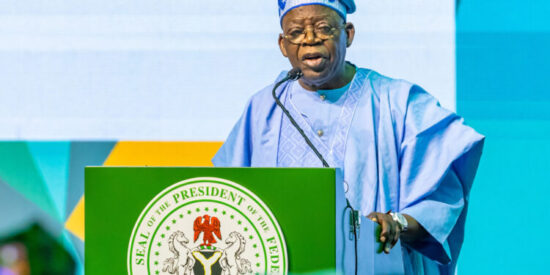
Last week, President Bola Tinubu formally launched the NIP and urged ministries and agencies to implement it swiftly.
As a result, the plan focuses on reviving dormant factories and positioning Nigeria as a competitive industrial hub.
The government provides a structured roadmap with clear timelines, institutional responsibilities, and measurable performance targets.
By 2026, it will recapitalise the Bank of Industry to ₦3 trillion, increasing its lending capacity.
Simultaneously, sector-specific funds, many managed with the Central Bank of Nigeria, will channel capital directly to priority industries.
Local Growth And Global Ambition
Moreover, the policy supports the president’s “Renewed Hope” agenda by promoting local content, import substitution, and self-sufficiency.
It introduces a “Nigeria First” approach, prioritising domestic goods, reducing import reliance, and encouraging value addition.
Approved in 2025, NIP 2025 integrates industrialisation, trade, and investment into a unified national strategy.
Ultimately, it aims to raise manufacturing’s contribution to GDP to 20–25% by 2030, transforming the economy and creating jobs nationwide.