

The naira weakened steadily this week, and Thursday’s close confirmed the ongoing downward trend.
It fell to ₦1,355/$, from ₦1,348.1/$ a day earlier, as data from the Central Bank of Nigeria showed.
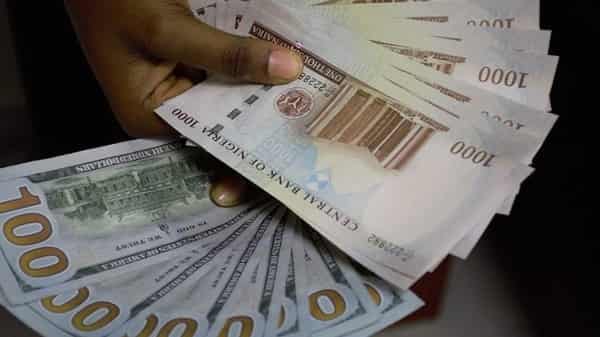
Steady Naira Depreciation Trend
Although the move seemed small, it extended a pattern of gradual losses in recent sessions.
During trading, the naira moved between ₦1,350 and ₦1,355.8/$, while showing limited upward momentum.
It settled at an average rate of ₦1,354.19/$, and traders completed 46 interbank deals.
A week earlier, the currency closed at ₦1,341.01/$, highlighting a steady downward movement.
Pressure From Reserves And Demand
Meanwhile, external reserves declined slightly, falling to $48.48 billion from $48.54 billion earlier.
As a result, the drop signalled reduced capacity for sustained intervention in the market.
At the same time, strong demand for dollars and limited supply kept pressure on the naira.
Global Forces And Outlook
Beyond Nigeria, global developments added to the strain and strengthened the US dollar.
In particular, tensions linked to the Strait of Hormuz increased fears of oil supply disruptions.
Consequently, these fears supported the dollar and weakened emerging market currencies, including the naira.
Read Also: Naira Steady At ₦1,582/€ As Europe Grapples With Energy Crisis
Similarly, currencies such as the euro, pound, and yen lost ground against the dollar.
Likewise, emerging market peers like the Philippine peso, Malaysian ringgit, and Indian rupee recorded similar losses.
However, higher oil prices could support Nigeria’s inflows, though global risks may limit gains.
Earlier this week, the naira fell to ₦1,349/$ from ₦1,342.5/$ the previous Friday.
Meanwhile, the Governor of the Central Bank of Nigeria, Olayemi Cardoso, urged calm over reserve fluctuations.
He argued that people often overinterpret such movements and should not trigger concern.
Looking ahead, the central bank projects reserves could rise to $51 billion by 2026.
Therefore, this projection supports efforts to strengthen buffers and improve long-term stability.
For now, the naira reflects domestic pressures and broader uncertainty across global markets.