

Gold rebounded on Wednesday as buyers entered markets on the fifth day of war.
Consequently, bullion rose as much as 2%, regaining ground after a four-day winning streak ended Tuesday.
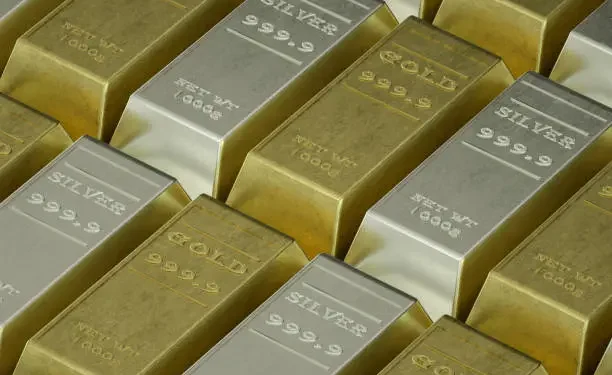
Gold Rebounds Amid War
Meanwhile, traders weighed gold’s safe-haven appeal against a US dollar that surged 1.5% this week.
By 7:25 a.m. Nigerian time, spot gold reached $5,137.64 per ounce.
Similarly, silver climbed 2.4% to $83.97, bouncing back from an 8% fall the previous session.
Platinum and palladium each advanced nearly 2%, reflecting investors’ renewed interest in precious metals.
Inflation And Market Pressures
Additionally, rising bond yields and energy prices fueled inflation fears, tempering hopes of central bank easing.
Furthermore, a broad equities sell-off Tuesday forced investors to liquidate positions to meet margin calls.
Despite gold’s rally, investors sharply reduced bullish bets, now near their lowest level in a decade.
As a result, gold has surged almost 20% this year, reaching $5,595 per ounce in late January.
Read Also: AFC, FG Secure $1.3 Billion Deal For Alumina Refinery
Geopolitical tensions and doubts about the US Federal Reserve’s independence drove this rally.
Strait Of Hormuz Concerns
Meanwhile, markets remained on edge as the US-Israeli conflict with Iran escalated.
On Tuesday, Israel struck Tehran, targeting a building in Qom where clerics selected new leadership.
Although Iran’s news agency reported the building was empty, the attack heightened regional tensions.
At the same time, rising energy costs could limit gold’s gains, as higher rates reduce its appeal.
Consequently, traders now expect only one Fed rate cut this year, down from two previously.
US President Trump announced naval escorts and insurance guarantees for tankers passing the Strait of Hormuz.
However, shipping companies remain cautious; traffic through the strait, carrying a fifth of global oil, slowed.
Many vessels turned back or delayed entry due to US-Israeli strikes and Iranian warnings.
Ultimately, the disruption signals the first real interruptions to global commodity flows, raising wider market concerns.