

Despite strong gas utilisation, Nigeria flared more than 203.9 billion scf in 2025.
According to NUPRC, this shows a paradox: the country increased gas production, yet operators still flared large volumes.
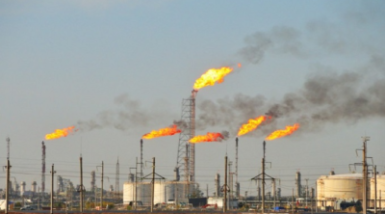
Gas Flaring Rise Despite High Use
In total, Nigeria produced 2.71 trillion scf, split between 1.46 trillion scf of Associated Gas and 1.25 trillion scf of Non-Associated Gas.
Of this, operators used around 2.50 trillion scf for field operations, domestic supply, and exports.
However, flaring rose from 192.9 billion scf in 2024 to 203.97 billion scf in 2025.
Monthly flaring fluctuated between 15 and 18 billion scf, peaking in January and July.
In September, the sector faced the worst performance: utilisation dropped to 90.9% while flaring climbed to 9.05%.
Associated Gas Drives Waste
Most flaring occurred in Associated Gas, which oil producers generate alongside crude and often flare due to infrastructure limits.
On average, operators produced more than 120 billion scf of Associated Gas per month, but downtime forced flaring.
Read Also: Iran Tensions Push Nigerian Oil Close To $70 A Barrel
Meanwhile, Non-Associated Gas contributed less to flaring because producers aligned output with market demand and available infrastructure.
Although the sector achieved 92.4% utilisation, the numbers show a more complex story behind the headline figure.
Specifically, operators used 776.6 billion scf for field operations and supplied 780.6 billion scf to the domestic market.
Furthermore, they exported 942.7 billion scf, mainly as liquefied natural gas.
Environmental And Economic Impact
Yet, flaring more than 203 billion scf carries serious environmental and economic consequences for Nigeria.
It increases greenhouse gas emissions, pollutes local air, and exposes communities to health risks.
Nigeria remains one of the world’s top gas-flaring nations, recording a 12% increase in flaring in 2024.
However, operators achieved a rare milestone in July 2025 when flaring fell to 7.16%.