

Brands are quietly rewriting Africa’s influencer rules.
They now prioritise small, loyal communities over millions of followers.
Small Communities, Big Impact
For example, in Lagos, a running club meets every Saturday.
Only 50 members join, but they engage strongly and consistently.
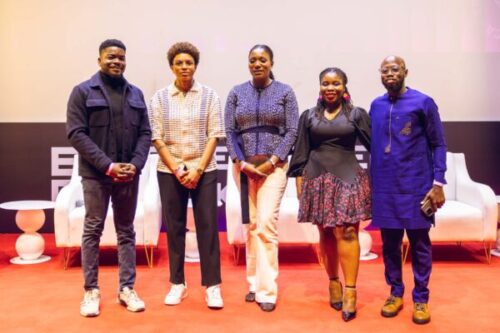
Similarly, at Entertainment Week Africa, leaders highlighted book clubs, WhatsApp groups, and niche meet-ups as highly effective for brands.
During a panel at Alliance Française Lagos, Itohan Barlow Ndukuba of Rolling Stone Africa explained the shift.
“Brands are moving from influencers to communities,” she said.
“Even 30 consistent members deliver real value.”
Consequently, Africa’s creators now gain opportunities previously blocked by low follower counts.
Many talented individuals can finally participate.
The new approach rewards authenticity, engagement, and real-world connection over viral numbers or aesthetics.
Micro-Influencers Lead Way For Brands
In addition, panel moderator Fisayo Fosudo noted: “Exposure deals can build your portfolio and enhance long-term credibility.”
Read Also: Nigeria’s VAT Revenue Hits ₦2.06T In Q2 2025 — NBS
Research shows that micro- and nano-influencers deliver three to five times higher engagement than large accounts.
Moreover, adding workshops or clubs multiplies ROI.
Therefore, Barlow Ndukuba urged creators: “Turn your community’s value, however small, into something brands can activate.”
Already, early adopters thrive in Lagos, Nairobi, and other cities through niche partnerships.
Fitness creators secure sportswear deals, while book-club hosts attract publishers, beverage brands, and lifestyle companies targeting small audiences.
Monetising Real-World Engagement
Meanwhile, platforms like Patreon and Substack grow rapidly as audiences seek closer, meaningful connections with creators.
Thus, African talent can monetise communities early before competition intensifies on these platforms.
Finally, corporate Africa shifts budgets from celebrity influencers to smaller, loyal community leaders.
The future belongs to creators who deliver measurable, repeatable results through real-world, engaged audiences.