

Lagos water transport offers commuters a quiet escape from the city’s relentless traffic congestion.
Moreover, rivers and lagoons actively link 15 of the state’s 20 local government areas efficiently.
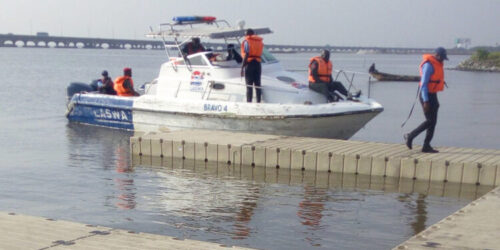
Lagos Water Connect, Roads Clog
However, ferries carry less than 1% of daily commuters, despite their clear potential to reduce congestion.
Meanwhile, private cars and minibuses dominate the roads, leaving drivers stuck for over an hour.
Omi Eko: Ambitious Plans
To tackle this, the €410 million Omi Eko Project aims to modernise ferry services across Lagos’ waterways.
Specifically, the plan will introduce 15 new routes, 25 terminals, and 75 electric vessels over five years.
Consequently, ferries could transport 25 million passengers annually and cut 41,000 tons of carbon emissions.
Yet high fares make the service impractical for daily commuters, limiting widespread adoption.
For example, trips from Ikorodu to Victoria Island cost between ₦3,000 and ₦3,500 per one-way journey.
Read Also; Lagos Ports Set For $1Bn Upgrade Under FG Plan
In contrast, LagFerry charges ₦1,500, but commuters find its limited schedules inconvenient.
Making Ferries Work
“Subsidies are essential; high fares discourage ridership,” says Hannah Kates of Public Tech Studio.
Additionally, Tonami Playman notes, “Affordable rates and integration with buses could increase ferry usage significantly.”
Currently, small operators run fragmented ferry services using low-capacity or unsafe vessels.
Moreover, terminals range from modern jetties with lounges to informal sandbanks with no safety facilities.
Experts therefore stress reliability, efficiency, and frequent departures to build commuter trust and confidence.
Furthermore, real-time tracking, unified ticketing, and 15-minute schedules could attract regular riders.
Overall, Omi Eko provides a rare chance to transform Lagos’ mobility, but affordability remains crucial.
Without combining pricing, convenience, and integration, commuters will continue to treat ferries as scenic, not practical.