
When the Central Bank of Nigeria (CBN) announced that it would take over trading of fixed income and government securities from FMDQ, the market immediately reacted.
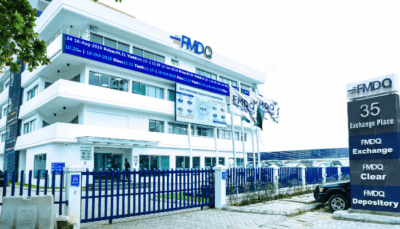
Traditionally, FMDQ has provided a neutral exchange where dealers actively buy, sell, and allocate securities, while the CBN manages secure settlement.
FMDDQ Role Confusion
Moreover, the CBN claims it wants transparency; however, the market still does not know the specifics of any problem with FMDQ.
In reality, the core issue lies not in opacity but in role confusion.
Read Also: Fidson Drives Pharmaceutical Surge With 100% 9-Month Gain
CBN functions as a regulator and settlement authority, not as a trading platform.
History further demonstrates the consequences of overreach: during past bank consolidations, opaque verification processes enabled manipulations that devastated investors, including the West Africa Bank share scandal.
Protecting Market Trust
Additionally, FMDQ has grown into a cornerstone of Nigeria’s financial market, similar to TRACE in the US.
Its independence actively separates trading, allocation, and settlement, which reduces risk and strengthens investor confidence.
Therefore, instead of taking control, the CBN should concentrate on what it does best—ensuring final settlement.
Simultaneously, the SEC must defend its regulatory role, and FMDQ should continue evolving, potentially becoming a demutualised, listed exchange.
Ultimately, markets thrive when institutions respect clear roles, build trust, and maintain transparency; undermining these principles could ripple across the entire financial system.