

Nigeria has raised its external reserves to $42 billion, marking the highest level in over five years and offering a glimmer of hope amid ongoing economic challenges.
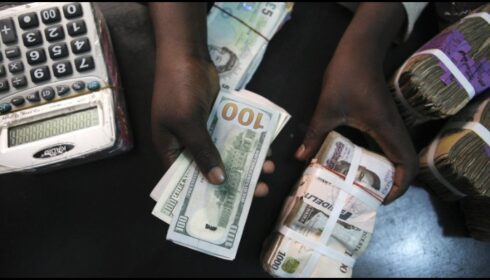
Yet, for many citizens, the milestone still feels distant from their daily realities.
Experts Call For Stronger Naira
In Lagos, financial experts emphasised that the boost in reserves could become a turning point—if the government pairs it with policies to strengthen the naira, support domestic production, and create jobs.
For instance, Sherifdeen Tella of Babcock University praised the achievement but warned that Nigeria must strengthen its currency to make the reserves truly effective.
He explained, “A stronger naira improves living standards, gradually reduces poverty, and builds international confidence, while also facilitating borrowing from global institutions.”
Turning Reserves Into Growth
However, the reality on the ground remains more challenging.
Former Executive Secretary of the Chartered Institute of Bankers of Nigeria, Uju Ogubunka, pointed out that many Nigerians still struggle as companies close and unemployment rises.
She stressed, “Higher reserves encourage optimism, but they have yet to ease the day-to-day economic pressures.”
Read Also: World Bank OKs $750M Nigeria Loan, Disburses Tuesday
Meanwhile, CEO of the Unique Shareholders Association of Nigeria, Alaga Kolawole, urged the government to channel the reserves into actionable investments.
He recommended prioritising critical sectors and launching innovative programmes that empower rural communities.
By doing so, he argued, the country can ensure that economic gains benefit all citizens rather than just financial institutions.
According to the Central Bank of Nigeria, the country reached $42.03 billion in external reserves on September 19, 2025, marking the strongest level since September 2019.
This rise reflects a recovery from earlier lows this year and suggests improving stability in foreign exchange markets.
Ultimately, experts emphasise that the government must turn this financial milestone into real benefits for ordinary Nigerians.
If it strengthens the naira, fosters domestic production, and invests strategically, the country can convert reserves into sustainable growth and improved livelihoods across the nation.