

When Seplat Energy Plc completed its acquisition of ExxonMobil’s shallow-water assets last year, it marked a turning point for the Nigerian energy company.
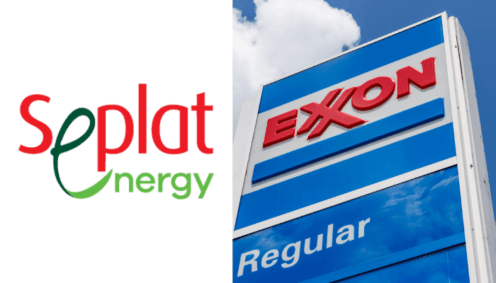
Building on that milestone, Seplat now plans to invest up to $3 billion over the next five years to expand oil and gas production and strengthen the nation’s energy supply.
The deal brought Mobil Producing Nigeria Unlimited (MPNU) under Seplat’s control, giving the company ownership of four offshore oil mining leases, more than 200 wells, and over 1,500 kilometres of pipelines.
“These assets had the resources and the people.
What was missing was the right owner — and that owner is now Seplat,” said Managing Director of Seplat’s offshore operations, Oladotun Isiaka.
Accelerating Production Growth
Under its 2026–2030 roadmap, Seplat aims to increase production from 134,000 barrels of oil equivalent per day (boepd) in mid-2025 to over 200,000 boepd by 2030.
Importantly, the company will direct around 70% of the $3 billion towards oil monetisation projects, while dedicating 20% to gas initiatives such as the ANOH Gas Plant and Yoho gas field for LNG exports.
The remaining funds will support safety, sustainability, and asset integrity.
Already, Seplat has delivered early results.
Since taking over MPNU, it has restored 29 idle wells, boosting joint-venture capacity by nearly 26,000 barrels per day.
Furthermore, offshore production in June 2025 reached its highest levels since 2022, demonstrating the immediate impact of Seplat’s expanded portfolio.
Read Also: EU Moves To End Russian LNG Imports By 2027
Funding Growth Locally
Seplat will fund the entire $3 billion programme from operating cash flow, avoiding the need for new equity.
CFO Eleanor Adaralegbe highlighted that the company will allocate capital with discipline, ensuring every dollar drives growth while protecting the balance sheet and delivering shareholder value.
Analysts note that Seplat’s strategy reflects the rising influence of indigenous energy companies in Nigeria.
With 99% of its workforce Nigerian and strong ties to local communities, Seplat demonstrates not only commercial strength but also leadership in local participation within a sector long dominated by international majors.
By 2030, Seplat expects to help Nigeria achieve its energy ambitions — producing 3 million barrels of oil per day and 12 billion standard cubic feet of gas — while building a resilient foundation for future growth.
As CEO Roger Brown said, “Our 2030 plan sets the foundation to drive continued growth well into the next decade.”