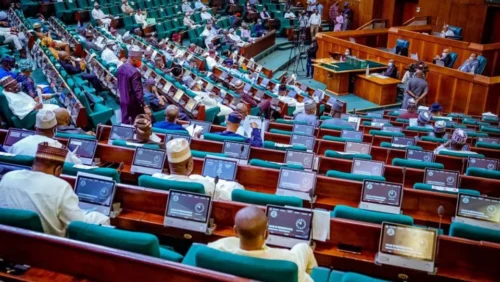

Nigeria has long promised prosperity through its vast natural gas reserves, yet supply bottlenecks and policy hurdles have slowed progress.
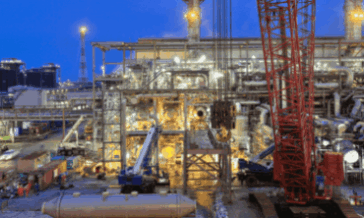
On Friday in Abuja, the Nigerian National Petroleum Company (NNPC) Limited and a coalition of gas producers took a decisive step to change that story.
They signed a 20-year pact with Nigeria Liquefied Natural Gas Limited (NLNG), committing to deliver 1.29 billion standard cubic feet of gas per day.
Industry Leaders Unite
Together, Shell, Oando, Aradel, First E&P, Amni, Sunlink, and NNPC subsidiaries joined forces to guarantee Feedgas for NLNG’s Bonny Island plant and to drive Nigeria’s economic ambitions forward.
At the signing, NNPC’s chief executive, Bayo Ojulari, framed the contracts as more than just supply deals.
He emphasised collaboration and scale, stressing that Nigeria must share risks and opportunities if it wants to achieve President Bola Tinubu’s “Decade of Gas” vision.
He also credited the President’s recent executive orders, which, in his words, created a stronger business environment and cleared obstacles for gas development.
Turning Point For NLNG
Meanwhile, NLNG’s Managing Director, Philip Mshelbila, called the agreements a turning point.
For years, shortages of Feedgas constrained production and forced the six-train Bonny Island plant to operate below potential.
Read Also: UNICEF Highlights 16-Fold Return On Nutrition Investments
Now, he explained, the new commitments restore confidence, guarantee reliable supply, and place NLNG back on a growth trajectory.
Beyond the boardroom, Nigeria continues to wrestle with a larger contradiction.
The country holds more than 200 trillion cubic feet of proven gas—the largest reserve base in Africa and the ninth-largest in the world—yet it has struggled to convert this abundance into steady industrialisation and consistent export flows.
By securing long-term supply, the new agreements directly tackle that gap.
As a result, NLNG can strengthen its standing in global markets, while Nigeria advances its energy transition with gas at the centre of its economic strategy.
Step by step, the nation is betting on natural gas not only to power industries at home but also to anchor its role in the international energy landscape.