
When the Abuja Rail Mass Transit (ARMT) restarted operations in May 2024, it did more than put trains back on the tracks—it launched a wider vision for Nigeria’s transport future.
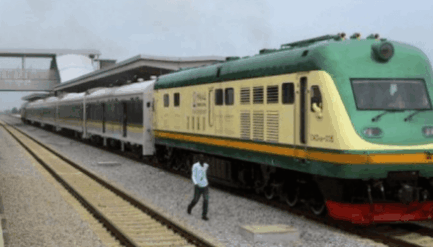
Fifteen months later, that vision has taken shape, not only because millions of commuters now rely on the system, but also because Nigerian professionals are learning to run it themselves.
Building Local Expertise
Recently, officials in Abuja gathered to celebrate the graduation of the country’s first locally trained rail operators.
The Federal Capital Territory Administration (FCTA) and the China Civil Engineering Construction Corporation (CCECC) jointly organised the programme to transfer knowledge and strengthen Nigerian expertise.
During the ceremony, Deputy General Manager of CCECC Rail Operations, Zhuang Yanhui, stressed the importance of the initiative.
He said, “This marks the beginning of knowledge transfer, local involvement, and sustainable operations.”
Read Also: Stricter FCCPC Rules Push Digital Lending Into The Spotlight
The trainees gained practical skills in train dispatch, station management, signalling, and safety—skills that will keep the system reliable for years to come.
A Model For West Africa
Meanwhile, the trains themselves have proven their consistency.
For more than 450 days, the ARMT has delivered uninterrupted service, and as a result, commuters have steadily built trust in rail travel as a dependable part of daily life.
Now, with ridership climbing and Nigerian operators stepping forward, the ARMT shows itself as more than just a foreign-built project.
It is transforming into a home-grown system.
Looking ahead, stakeholders aim to sustain momentum, maintain high standards, and ensure Abuja’s rail sets the benchmark for urban transport across West Africa.