

Just when Nigerians were catching their breath from the last fuel price hike, the giant himself — Dangote Refinery has stirred the waters again. With a fresh increase in ex-depot petrol price from ₦820 to ₦850 per litre, questions are now flying like Lagos traffic insults: Is this the beginning of the end for small businesses? Will Mama Chidinma’s food canteen survive next month’s gas refill? Or is Dangote slowly becoming what he swore to destroy — the middleman monopoly?
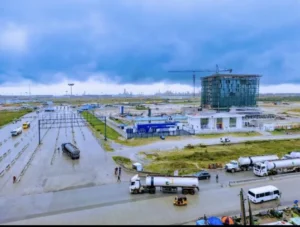
A Billion-Dollar Dream Or A Billion-Dollar Dilemma?
The Dangote Refinery was hailed as Nigeria’s golden ticket to energy independence. The 650,000 bpd (now stretching to 700,000) mega-refinery based in Lekki was meant to break the jinx of fuel importation, save forex, and “crash prices” — or so we were told. But barely a year into operations, fuel marketers are still dancing between uncertainty and reality, and now, Nigerian businesses are paying the price — literally.
The latest price hike — a subtle yet heavy ₦30 jump — might look “minor” to some oil big boys, but for the average mechanic in Mushin or the POS operator in Onitsha, it could be the nail in the business coffin.
Marketers Panic, Imports Rise, And Businesses Suffer
Despite the refinery resuming sales after a week-long freeze, the updated ex-depot price now stands at ₦850/litre. This means downstream players (marketers) are likely to push the cost to consumers — expect pump prices to creep toward ₦900+.
Meanwhile, the irony couldn’t be louder: Nigeria is still importing over 71% of its daily petrol needs, despite having a$20 billion refinery right in its backyard. If Dangote was supposed to save us from importation chaos, why are marketers still swimming in foreign oil?
For small and medium enterprises (SMEs), this spells double trouble. From logistics companies and ride-hailing drivers to bakeries and hair salons running on generators, every kobo added to fuel prices erodes profit margins.
“The fuel price went up again? Walahi, I go close shop this month,” says Sani, a tricycle operator in Kaduna, visibly frustrated. His daily fuel cost has gone from ₦3,500 to ₦5,000 — in just two months.
A Slippery Slope Of Economic Crisis
Fuel prices in Nigeria have always been political dynamite.
With the economy struggling, inflation biting harder than mosquitoes in the rainy season, and naira doing acrobatics against the dollar, this petrol price hike could have ripple effects that spiral out of control.
Here’s what to expect:
* Inflation: Higher transport costs = higher goods prices. Get ready for your ₦100 bread to become ₦150.
* Business Closures: SMEs can’t keep absorbing costs forever. The informal sector, which accounts for over 65% of employment, is especially vulnerable.
* Job Losses: If the delivery guy can’t afford fuel, and the tailor can’t power his shop, downsizing becomes inevitable.
* Civil Unrest: As witnessed in past subsidy protests, Nigerians don’t take fuel price hikes lightly. If Dangote keeps hiking, expect serious street drama.
So What’s Really Going On?
Insiders say Dangote imports up to 50% of his crude feedstock from the U.S. — so global oil price volatility plays a part. But Nigerians are asking the real question: If we have a local refinery, why are we paying like we’re still importing?
Also Read: Sowore vs. FG: Will His Arrest Record Ever Let Him Be Nigeria’s President?
And let’s not forget — this isn’t government-regulated NNPC pricing. Dangote is a private entity. With the monopoly he holds, one might argue he can charge what he likes. But where does that leave the people?
Even though diesel prices remain lower at Dangote compared to competitors, the petrol price drama has overshadowed any goodwill. Nigerians are watching — and waiting.
What Must Be Done?
If Dangote wants to keep public support, here are five urgent steps:
1. Transparent Pricing: Nigerians deserve to know why prices are going up. We didn’t sign up for silent suffering.
2. Local Crude Prioritisation: Reduce foreign dependency. We have crude here, no?
3. SME Protection Strategy: Offer discounts or strategic pricing tiers for businesses running on fuel.
4. Public Communication: Say something! The silence is louder than a refinery alarm.
5. Government Oversight: The FG must ensure the local refinery doesn’t become another private monopoly bleeding the masses.
The Rise That Crashes A Country
The Dangote refinery was built on hope, but with this recent hike, that hope is thinning faster than the nation’s forex reserves. Fuel touches everything — and when fuel prices rise, the entire economy feels the burn.
If this trajectory continues, Nigerian businesses — especially the small ones — may find themselves stranded, with no fuel, no funds, and no future.
So we ask again, is this refinery a blessing or just another burden wrapped in billion-dollar packaging?