

As Nigeria marks its 65th Independence Day on October 1, 2025, the nation stands at a pivotal moment of reflection.
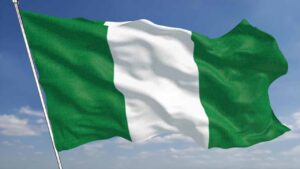
For over six decades, Nigerians have celebrated the end of colonial rule with pride and hope for a brighter future.
Yet, behind the vibrant celebrations and stirring patriotic speeches lies a haunting question that few dare to ask aloud: Is Nigeria truly independent?
From persistent political instability and economic struggles to social divisions and security crises, many Nigerians find themselves wondering whether the freedom fought for in 1960 has truly translated into sovereignty and self-determination.
As we commemorate this milestone, it’s time to confront the complex realities that challenge the very notion of independence in today’s Nigeria — a nation rich in resources and potential, yet still grappling with the legacies of its past and the hurdles of the present.
The Illusion Of Freedom: Political And Economic Realities
At first glance, Nigeria is a sovereign nation with its own government, constitution, and democratic institutions.
However, many Nigerians argue that the country remains shackled by a complex web of political, economic, and social challenges that threaten its autonomy.
* Political Dependence: Nigeria’s political landscape is often criticized for its persistent reliance on external powers and internal elite interests.
Influence from former colonial powers and global superpowers continues to shape foreign policy decisions and economic strategies.
Is Nigeria making independent choices, or are key decisions influenced by foreign agendas and multinational corporations?
* Economic Challenges: Despite being Africa’s largest economy and a major oil producer, Nigeria struggles with poverty, unemployment, and inflation.
The economy’s heavy reliance on oil exports makes it vulnerable to global market fluctuations.
Additionally, billions of dollars in foreign debt and loans raise questions about financial sovereignty.
Does Nigeria control its own economic destiny, or is it caught in a cycle of dependency on international financial institutions?
Social And Security Struggles: The Fight For True Liberation
True independence also means ensuring the safety and well-being of citizens.
Yet, decades after colonialism, Nigerians continue to face:
* Insecurity: Insurgencies in the Northeast, banditry in the Northwest, herdsmen-farmer conflicts, and kidnappings persist, exposing the government’s failure to guarantee security.
* Ethnic and Regional Divides: The nation remains fragmented by ethnic tensions and regional inequalities that fuel instability and hinder national unity.
Are Nigerians free when millions live in fear, deprived of basic security and equal opportunities?
The Role Of Leadership: Guardians Or Gatekeepers?
For 65 years, Nigerian leaders have promised progress and development, but corruption, mismanagement, and nepotism remain endemic.
Critics argue that the ruling elite acts more as gatekeepers of power than as servants of the people, perpetuating a system that benefits a few while the majority suffer.
Did You Miss? 8 Key Takeaways From Tinubu’s 65th Independence Day Address
Is political leadership in Nigeria truly serving the people’s interests or maintaining a status quo that undermines independence?
Independence In The Digital Age: New Frontiers Or New Chains?
Nigeria’s youth represent a vibrant force of change, tech innovation, and activism.
Yet, challenges such as digital censorship, restricted access to information, and foreign control over critical infrastructure pose new threats to sovereignty.
Can Nigeria’s digital landscape become a platform for genuine freedom, or will it further entrench external control?
What Does Independence Mean Today?
Independence is no longer just about breaking colonial chains. It’s about:
* Economic self-reliance
* Political sovereignty
* Social justice and security
* Inclusive governance
* Control over digital and technological resources
If Nigeria is to celebrate not just an anniversary but a milestone in freedom, it must confront these realities head-on.
The Journey Ahead
Sixty-five years after declaring independence, Nigeria stands at a crossroads.
The country’s future depends on honest reflection, bold reforms, and active participation from all Nigerians. Independence is not just a date; it’s a continuous struggle and responsibility.
Is Nigeria truly independent, or is it time to redefine what independence means in the 21st century?