

A trembling hand reaches for a smartphone at a roadside checkpoint.
Immediately, tension rises.
The officer’s face hardens.
His voice changes.
“Put that phone down!”
For many Nigerians, that moment has become painfully familiar.
Across the country, ordinary citizens increasingly use their phones as shields against intimidation, extortion and abuse during encounters with security operatives.
But for some police officers, being filmed feels like a direct threat.
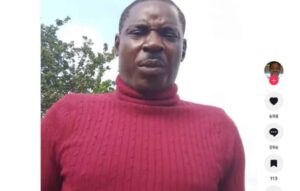
Now, a viral video allegedly showing a police officer threatening to kill anyone who records him while on duty has once again ignited a fierce national debate about policing, accountability and fear inside Nigeria’s security system.
The video shocked many Nigerians not only because of the threat itself, but because it exposed something deeper, a growing battle between public accountability and a police culture that often resists scrutiny.
So why do many Nigerian police officers dislike being recorded?
The answer is far more complicated, and more disturbing, than many people realize.
1. Cameras Destroy The Power Of Fear
For decades, fear has been one of the strongest unofficial weapons in Nigerian policing.
At many checkpoints, citizens often comply instantly once they see uniforms and rifles.
Most people avoid arguments.
Many avoid eye contact.
Some simply pay whatever is demanded and move on.
But smartphones have changed that power equation.
The moment a camera appears, the balance shifts.
Suddenly, the citizen is no longer helpless.
The officer is no longer operating in darkness.
Every word can be replayed.
Every slap can trend online.
And every threat can become evidence.
That loss of unchecked authority makes many officers uncomfortable.
Not necessarily because all officers are corrupt, but because cameras remove the secrecy that traditionally protected misconduct.
In today’s Nigeria, one viral video can destroy reputations overnight.
2. Filming Exposes Corruption Nigerians Already Suspect Exists
Let’s be honest about the elephant in the room.
Many Nigerians do not trust the police.
Years of bribery allegations, illegal checkpoints, extortion claims and abuse stories have damaged public confidence in law enforcement.
From motorists allegedly forced to “settle” officers, to viral accusations of harassment, many citizens now instinctively press “record” during police encounters.
Why?
Because video evidence often succeeds where verbal complaints fail.
A citizen’s word against an armed officer rarely carries equal weight.
But a recorded video changes everything.
It creates proof.
And proof is dangerous to corrupt systems.
This explains why some officers panic the moment they notice a phone camera.
Not because filming itself is illegal, but because recordings can expose actions that should never happen in public service.
3. Some Officers Fear Public Humiliation More Than Discipline
Inside Nigeria’s police culture, respect and authority matter deeply.
Being embarrassed publicly can feel devastating for some officers.
Social media has amplified this fear.
One recorded incident can instantly spread across TikTok, Facebook and X.
An officer who behaves aggressively today may wake up tomorrow as a national scandal.
For many officers, the fear is no longer just internal disciplinary action.
It is public humiliation.
Mockery.
Shame.
Memes.
Online outrage.
And in some cases, suspension.
That fear partly explains the anger seen in many viral confrontations involving police officers and civilians filming them.
To some officers, the camera represents more than accountability.
It represents exposure.
4. Poor Welfare And Frustration Have Created Deep Anger Within The Force
The viral officer himself referenced poor working conditions during his rant.
And this is where the conversation becomes uncomfortable.
Many Nigerian police officers operate under extremely difficult conditions.
Low salaries.
Poor accommodation.
Outdated equipment.
Long hours.
Psychological stress.
Inadequate insurance.
Some officers feel abandoned by the same system demanding professionalism from them.
This does not justify abuse or threats against civilians.
But it helps explain the frustration boiling beneath the surface.
An angry, exhausted and financially strained officer is more likely to react emotionally under pressure.
Especially when feeling disrespected or cornered publicly.
The danger is that unresolved institutional frustration can easily turn ordinary police encounters into explosive situations.
5. Cameras Are Forcing A New Era Of Accountability The System Is Still Resisting
Perhaps the biggest reason some officers dislike filming is simple: Nigeria is changing faster than parts of its policing culture.
For years, authority figures operated with minimal public oversight.
Today, nearly everyone carries a recording device in their pocket.
Citizens are more aware of their rights.
Courts are beginning to reinforce those rights.
In fact, a Federal High Court in Delta State recently affirmed that Nigerians can legally record police officers carrying out public duties.
The Lagos State Commissioner of Police also publicly stated that officers should not fear being filmed if they are acting professionally.
These developments signal a major shift.
Did You Miss? JAMB Frees Hundreds Of Withheld UTME Results Amid Exam Fraud Crackdown
The era of “no evidence” is slowly disappearing.
And that reality is making some officers deeply uncomfortable.
Because accountability changes everything.
Beyond The Camera
The viral threat by the alleged officer shocked Nigerians.
But the deeper issue is bigger than one man with a rifle and a TikTok account.
The real question is this: Why do so many citizens feel safer recording police officers than trusting them?
That question cuts to the heart of Nigeria’s policing crisis.
A society where citizens instinctively reach for cameras during police encounters is a society struggling with trust.
And until that trust is repaired, every roadside stop may continue feeling less like protection,x and more like a potential confrontation waiting to explode.
The smartphone has become Nigeria’s unofficial witness.
The only question now is whether the system is ready for what those cameras continue to reveal.
