

PETROAN alerted Nigerians that PMS could hit ₦2,000 per litre without urgent domestic refining action.
Therefore, the association urged NNPCL to immediately boost production at Port Harcourt and Warri refineries.
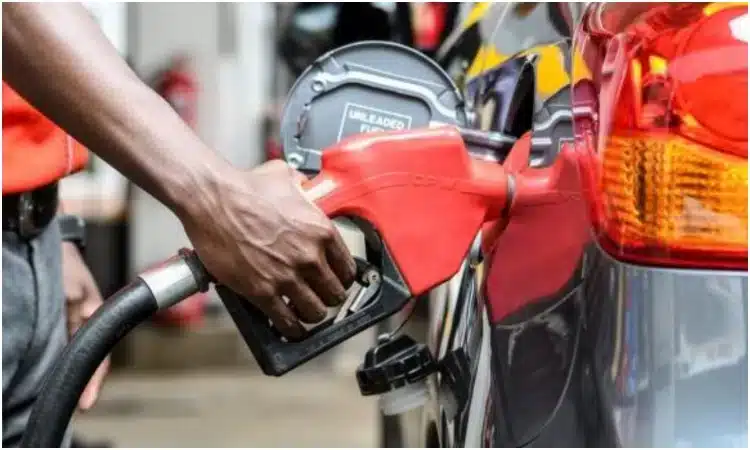
PETROAN Warns Rising Fuel Prices
PETROAN’s president, Billy Gillis-Harry, delivered the warning during “Deconstructing Energy Trilemma” at Ignatius Ajuru University.
He explained that drone and missile attacks by Israel, the US, and Iran disrupt critical oil routes.
“Without resolution, international and domestic fuel prices will rise sharply in the coming days,” he said.
PMS, once ₦774 per litre, now exceeds ₦1,000, reflecting roughly a 30% increase, Harry noted.
Diesel (AGO) climbed from ₦950 to over ₦1,400, marking nearly a 50% rise amid the crisis.
Domestic Refining Urgency
Read Also: SG Holdings’ ₦75B Commercial Paper: Investor Insights
He projected that if the conflict continues, PMS may reach ₦2,000 and AGO nearly ₦3,000 per litre.
Harry emphasised that Nigeria must rehabilitate refineries to resume domestic production and reduce global market dependence.
He added that government-owned refineries better withstand disruptions than private ones relying on imported crude.
Furthermore, PETROAN warned that rising fuel prices could worsen inflation, trigger job losses, and increase transport and goods costs.
He stressed that PMS remains essential for mobility, while AGO fuels manufacturing and industrial operations nationwide.
Harry reassured citizens that President Bola Tinubu’s reforms will stabilise the market and support economic growth.
Meanwhile, motorists groan as pump prices exceed ₦1,000, showing how deregulated market forces operate, NMDPRA explained.
Global Impact & Action
Global data indicate that Brent crude rose 20%, while WTI jumped 25%, driven by Middle East attacks on oil infrastructure.
On Saturday, Israeli forces struck Tehran storage facilities, and Iran targeted other regional oil sites, increasing supply uncertainty.
Additionally, G7 finance ministers plan emergency oil reserve releases, with the US and two other countries supporting the move.
Ultimately, PETROAN and NNPC face mounting pressure to act swiftly to prevent a fuel crisis and economic instability.